What Is an Advent Calendar? Understanding Sweden's Julkalender Tradition
New to Sweden? Learn what an Advent calendar is, how julkalender works, Sweden's Christmas TV tradition and how families celebrate.
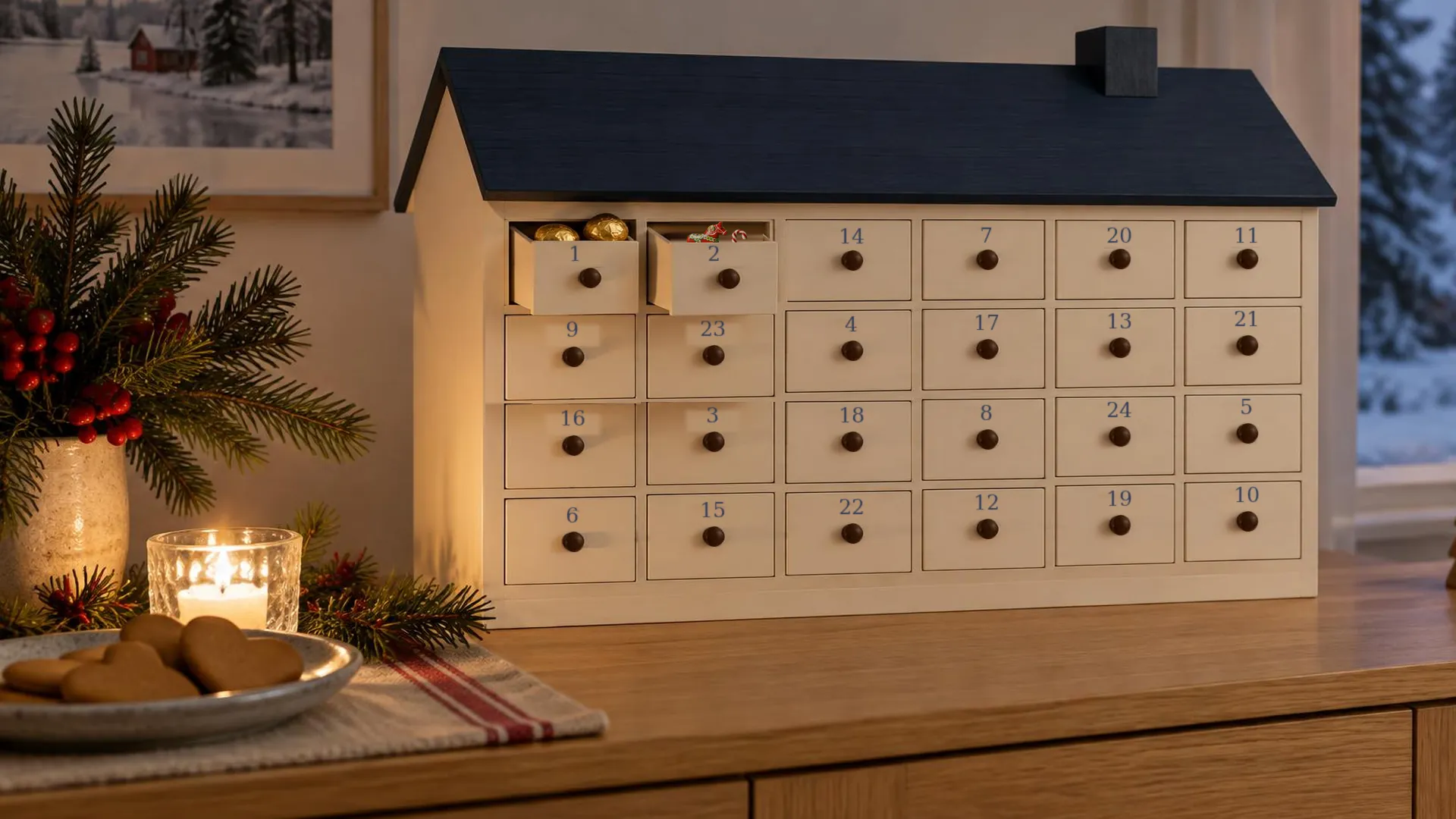
New to Sweden and wondering why Advent calendars suddenly appear everywhere in November? From chocolate-filled calendars in supermarkets to Sweden's famous Christmas TV series, the julkalender is one of the country's most charming holiday traditions.
As November arrives, something interesting happens in Swedish shops.
Suddenly, there are calendars everywhere.
Not the kind you hang on your wall to remember appointments. These calendars have little numbered doors, colorful illustrations and sometimes surprisingly large price tags.
Some are filled with chocolate. Others contain LEGO pieces, children's books, toys, coffee or even beauty products.
And if you have children in Swedish preschool (förskola) or school, there's a good chance you'll soon hear the word julkalender.
But what exactly is an Advent calendar? Why do Swedish families love them? And do you actually need to buy one?
Here's a friendly introduction to the tradition, especially for families discovering their first Christmas season in Sweden.
What Is an Advent Calendar?
An Advent calendar is a special calendar used to count down the days until Christmas.
Most Advent calendars have 24 numbered doors, windows, pockets or boxes.
You open one each day, starting on December 1 and finishing on December 24.
Behind each door, there's usually a little surprise. It could be:
- A piece of chocolate.
- A miniature storybook.
- A toy or building piece.
- A puzzle or creative activity.
- A small beauty product.
- A message or family activity.
The idea is simple: one small surprise every day as Christmas gets closer.
For children, the excitement often begins the moment they wake up.
And for parents? Well, sometimes the biggest challenge is explaining why opening tomorrow's door today is not part of the tradition!
Why Do Advent Calendars in Sweden Have 24 Doors?
In Sweden, Christmas Eve (julafton), December 24, is traditionally the main day of Christmas celebrations.
Many Swedish families gather, enjoy Christmas food and exchange presents on Christmas Eve rather than Christmas morning.
That's why the typical Swedish Christmas calendar ends on December 24.
However, not all Advent calendars are identical. Some international calendars have 25 doors or follow slightly different formats.
What Is an Advent Calendar Called in Swedish?
In Sweden, you'll encounter two words: julkalender and adventskalender.
Both are commonly used to describe calendars that count down to Christmas.
Julkalender literally translates to "Christmas calendar", while adventskalender means "Advent calendar".
In everyday Swedish, the terms often overlap.
There's also another reason you'll hear julkalender frequently: Sweden has a famous Christmas television tradition with the same name. More on that shortly!
Useful Swedish Christmas Vocabulary
Here are a few words you might hear during December:
| Swedish | English |
|---|---|
| Julkalender | Christmas calendar |
| Adventskalender | Advent calendar |
| Lucka | A calendar door or window |
| Öppna luckan | Open the door |
| Julafton | Christmas Eve |
| Första advent | First Sunday of Advent |
| Adventsljusstake | Advent candleholder |
| Julmys | Cozy Christmas atmosphere |
| Pepparkakor | Gingerbread cookies |
And here's a phrase you might hear every morning:
"Får jag öppna dagens lucka?" — "Can I open today's door?"
Congratulations! You're now prepared for one of December's most frequently repeated questions.
Where Did Advent Calendars Come From?
Although Advent calendars are now a familiar part of Swedish Christmas celebrations, the modern printed calendar originated in Germany, where the first paper Advent calendars appeared in the early 20th century.
One of the best-known stories behind the tradition involves Gerhard Lang, a German publisher associated with the development of early printed Advent calendars.
As the story is usually told, Lang received a homemade Christmas countdown from his mother as a child: 24 cookies attached to a piece of cardboard, one to enjoy each day while waiting for Christmas. It's a charming anecdote, but best treated as a story rather than a fully verified historical fact.
As an adult, Lang helped develop printed calendars with Christmas illustrations. Over time, calendars featuring small doors became popular, and the tradition spread to other countries, including Sweden.
Today, those little doors might reveal anything from chocolate to miniature train accessories. But the basic idea hasn't changed much.
It's about making the anticipation of Christmas part of the celebration itself.
Advent in Sweden: More Than Just a Calendar
To understand the Swedish Advent calendar tradition, it helps to know a little about Advent itself.
Advent is the Christian season leading up to Christmas. In Sweden, it is also associated with familiar seasonal decorations and customs that are enjoyed in many homes.
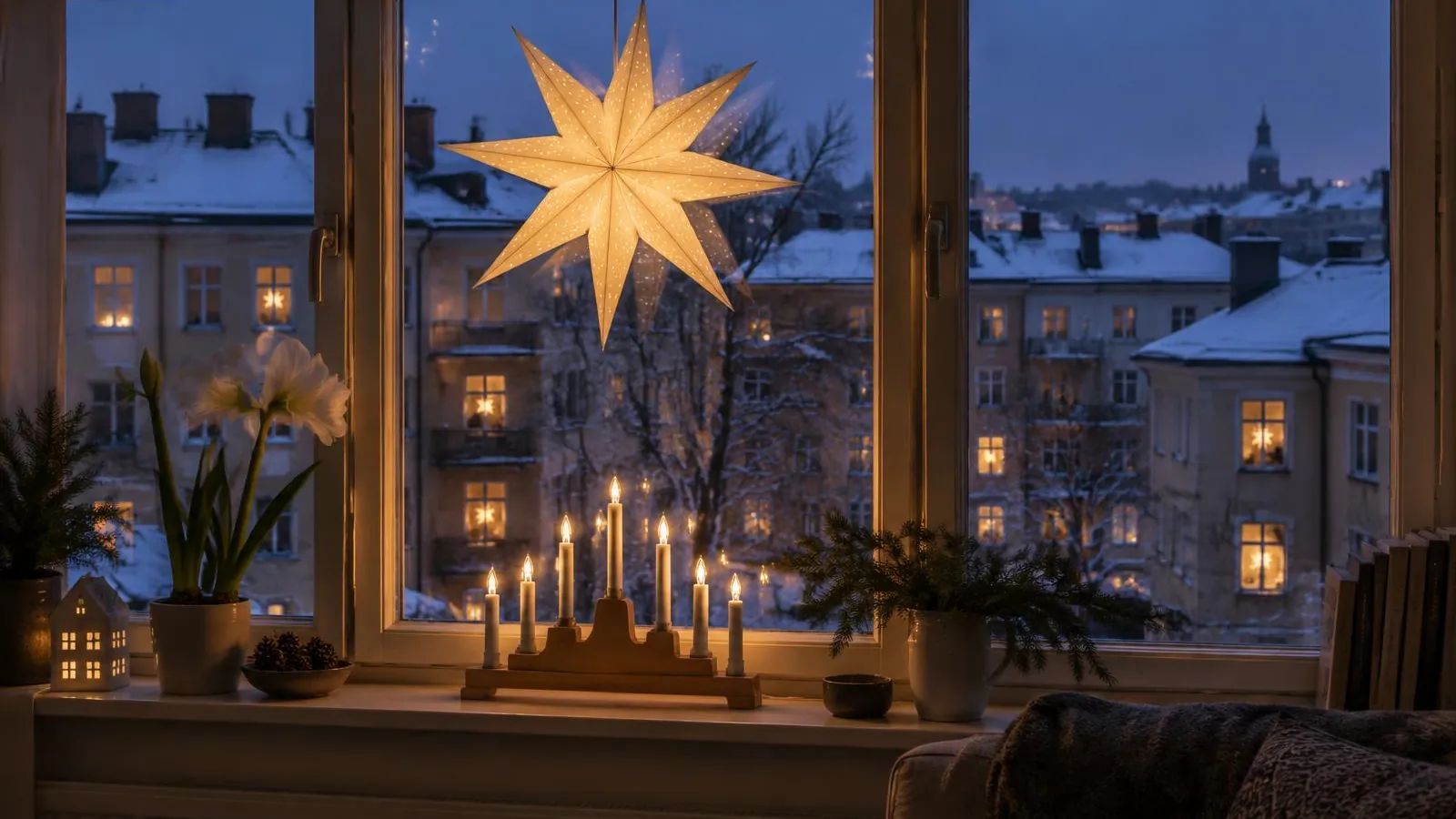
As November turns into December, you'll notice glowing stars in windows, electric candleholders and Christmas decorations appearing throughout Swedish neighborhoods.
During the darker winter months, these lights create a welcoming atmosphere.
What Happens During the Four Sundays of Advent?
Traditionally, Advent is observed over four Sundays leading up to Christmas.
Some families use a candle arrangement with four candles. One candle is lit on the first Sunday, two on the second, three on the third and all four on the fourth.
This is different from the 24-door Advent calendar.
In 2026, the four Sundays of Advent are:
| Advent Sunday | Date |
|---|---|
| First Advent | November 29, 2026 |
| Second Advent | December 6, 2026 |
| Third Advent | December 13, 2026 |
| Fourth Advent | December 20, 2026 |
One interesting detail: Advent begins on November 29 in 2026, but most Christmas calendars don't start until December 1.
So you might light your first Advent candle before opening the first door of your calendar.
What About Those Electric Candleholders?
If you're new to Sweden, you'll probably notice electric candleholders with several lights in windows throughout December.
These are often called adventsljusstakar. They're popular Christmas decorations, but they're not Advent calendars. You don't open a door or receive a surprise.
They simply help bring light and atmosphere into the home. According to Nordiska museet, both the Advent candleholder and the Advent star have German origins and became common in Sweden in the 1930s.
Sweden's Most Famous Advent Calendar: SVT:s Julkalender
Here's something that surprises many newcomers:
In Sweden, an Advent calendar isn't always something you open. Sometimes it's something you watch!
Every December, Swedish public broadcaster SVT presents a special television series known as Julkalendern.
The series usually has 24 episodes, with a new part of the story appearing each day from December 1 to December 24.
And it's a long-standing tradition: Swedish public television's Christmas calendar began in 1960, with a program called Titteliture.
Since then, different Christmas calendar series have become part of Swedish popular culture.
How Does SVT:s Julkalender Work?
Imagine watching a television series where you get one new episode every day until Christmas.
Some stories are funny. Others involve mysteries, magical adventures or historical settings.
And many become topics of conversation among children and adults throughout December.
You can find the current Christmas calendar through SVT and SVT Play.
Is SVT:s Julkalender Good for Children Learning Swedish?
It can be an enjoyable way to introduce children to Swedish storytelling and vocabulary.
However, the language level and themes vary between different series.
If your child is still learning Swedish, you can watch together, talk about the story and explain unfamiliar words.
You don't need to turn every episode into a language lesson. Sometimes simply enjoying the story is enough.
SchoolReviews Tip: If your child attends Swedish preschool or school, watching Julkalendern together may also help them recognize characters and stories their classmates talk about.
What Types of Advent Calendars Can You Buy in Sweden?
Here's where things get interesting.
Advent calendars are no longer limited to chocolate and pictures. Swedish retailers sell many different types, designed for children, teenagers and adults.
Let's look at some of the most common options.
Book Advent Calendars
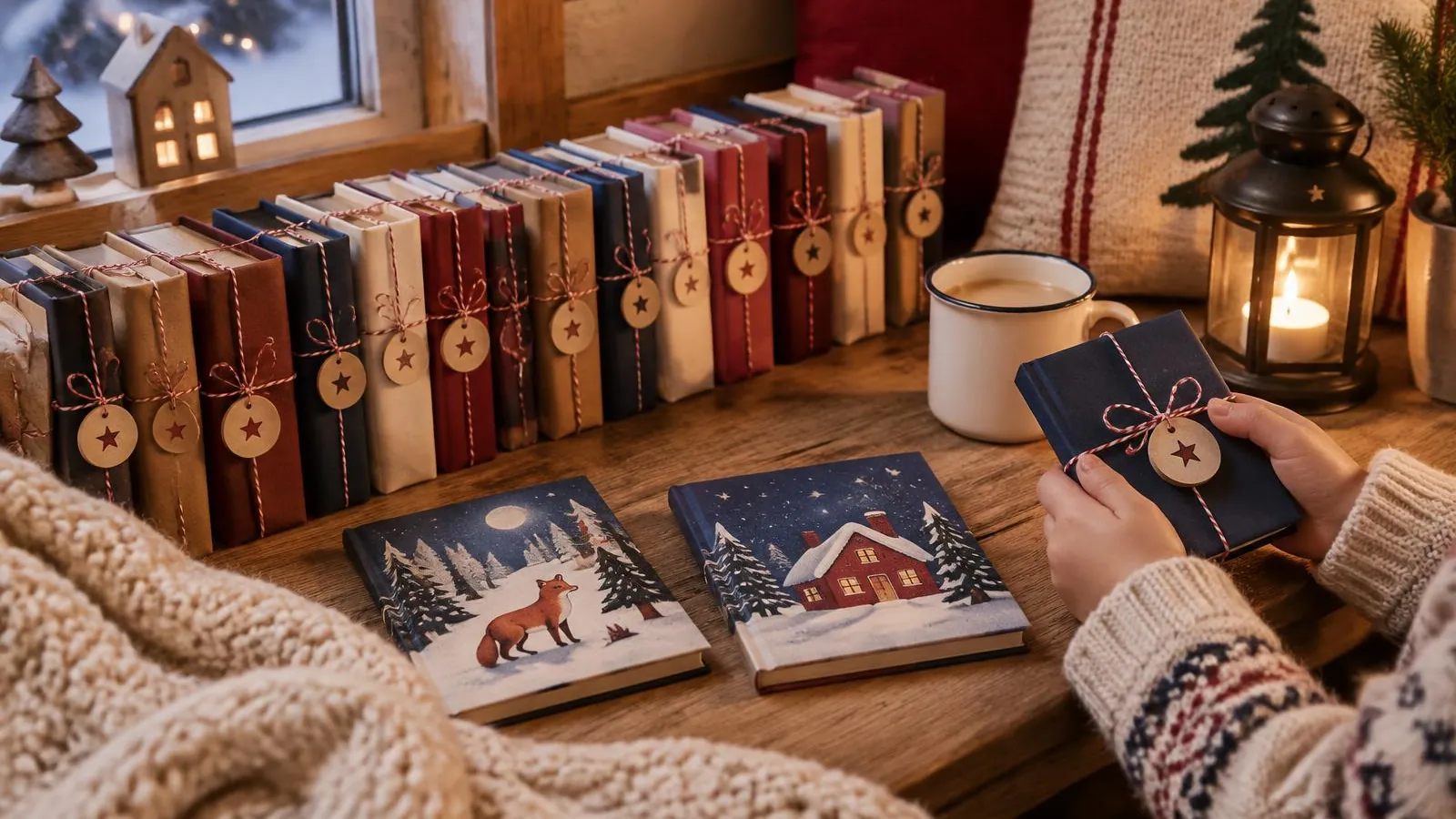
For children who love stories, book calendars are a wonderful alternative to chocolate.
Some contain 24 miniature books, while others combine stories with coloring activities.
They're particularly appealing for families who enjoy reading together. One advantage is that the books can be enjoyed long after December has ended.
Toy Advent Calendars
Toy calendars contain miniature figures, vehicles, accessories or building pieces.
Some have a different surprise every day, while others gradually build into a larger play scene.
Familiar toy brands such as LEGO, BRIO and Hot Wheels have sold themed calendars. Check the exact edition you're buying.
Always check the manufacturer's recommended age, especially if the calendar contains small parts.
Creative and Educational Advent Calendars
Some calendars focus on activities rather than traditional toys.
They might include puzzles, crafts, stickers, drawing materials or science-themed surprises.
These can be appealing for children who enjoy making things, solving problems or exploring new interests. Choose activities that match your child's age and abilities, and follow the safety instructions.
Chocolate Advent Calendars
Sometimes, simple is best.
Chocolate calendars remain a familiar Christmas tradition. For many children, the excitement isn't really about the size of the surprise.
It's about opening that little door every morning.
Advent Calendars for Adults
Yes, adults get Advent calendars too! Popular categories include:
| Type | Typical Contents |
|---|---|
| Beauty calendars | Skincare and makeup |
| Coffee calendars | Different coffee varieties |
| Tea calendars | Tea blends and seasonal flavors |
| Chocolate calendars | Chocolates and pralines |
| Gourmet calendars | Specialty foods and treats |
| Hobby calendars | Small hobby-related surprises |
Some calendars can be quite expensive, but enjoying the tradition doesn't require buying a luxury product.
Coming soon: Best Advent Calendars for Kids in Sweden 2026 — a separate guide comparing book calendars, toy and building calendars, creative activities and other options for different ages.
When Should You Buy an Advent Calendar in Sweden?
If you're planning to buy a calendar, October and November are sensible months to start looking.
Many retailers introduce Christmas calendars before December. Popular themed products may sell out, particularly if they feature specific characters or collectible toys.
Should You Wait Until Black Friday?
It depends.
Black Friday 2026 takes place on Friday, November 27. That's only four days before the typical Advent calendar countdown begins.
Waiting might help you find a lower price, but there's no guarantee that your preferred calendar will still be available.
If your child really wants a particular calendar, buying earlier may be more practical. If you're flexible about which one to choose, comparing prices throughout November can help you make a more informed decision.
A useful reminder: A calendar isn't automatically a bargain just because it has a Black Friday label. Choose based on your child's interests, not the advertised discount.
Can You Make Your Own Advent Calendar?
Absolutely! You don't need to buy an expensive Advent calendar to create a special December tradition.
Little envelopes, reusable fabric bags, books you already own or handwritten notes with a daily family activity can make an inexpensive and personal countdown.
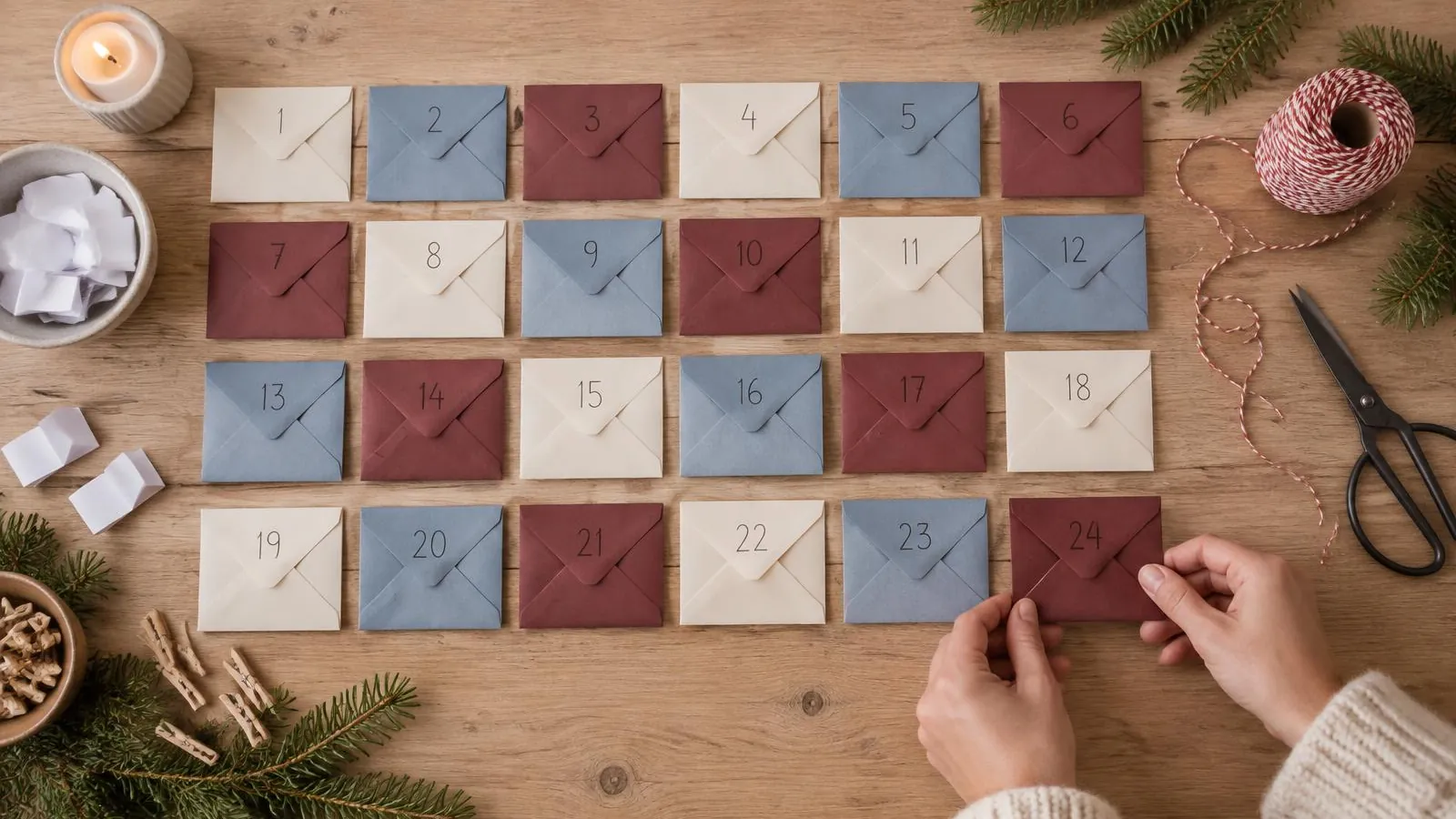
Coming soon: 15 Easy DIY Advent Calendar Ideas for Kids, with affordable and creative ideas you can make at home.
Do You Have to Celebrate Christmas to Enjoy an Advent Calendar?
Not necessarily.
Advent has Christian origins, and Christmas remains an important religious holiday for many families. However, Advent calendars are also enjoyed as a cultural and seasonal tradition.
Some families celebrate Christmas religiously. Others enjoy the decorations, stories and family activities without a religious focus. And some families choose not to participate at all.
If you're raising children in Sweden and come from a different cultural or religious background, you can decide what feels right for your family.
For example, a homemade activity calendar could focus on reading, kindness, creativity or quality time together. There's no requirement to follow every Swedish tradition.
The important thing is choosing what works for your family.
Frequently Asked Questions About Advent Calendars in Sweden
What is an Advent calendar?
An Advent calendar is used to count down the days until Christmas. Most have 24 numbered doors or surprises, with one opened each day from December 1 through December 24.
What is an Advent calendar called in Swedish?
The common Swedish terms are julkalender and adventskalender.
When do Advent calendars start in Sweden?
Most start on December 1 and end on Christmas Eve, December 24.
Why do Swedish Advent calendars have 24 doors?
Because Christmas Eve, December 24, is traditionally the main day of Christmas celebrations in Sweden.
What is the difference between a julkalender and an adventskalender?
The terms are often used interchangeably. Julkalender is also commonly associated with Sweden's Christmas television series.
What is SVT:s Julkalender?
It's an annual Swedish television tradition, usually told in 24 episodes during December. The tradition began in 1960.
Are Advent calendars only for children?
No. Adults can also enjoy Advent calendars featuring coffee, tea, chocolate, beauty products and other surprises.
Can young children use Advent calendars?
Yes, but choose an age-appropriate calendar and follow the manufacturer's warnings. Products containing small parts may be unsuitable for children under three.
Do I need to buy an expensive Advent calendar?
Not at all. Simple chocolate calendars, paper calendars and homemade activity calendars can also be enjoyable.
When is the first Sunday of Advent in 2026?
Sunday, November 29, 2026. This is different from the usual December 1 starting date of 24-door Christmas calendars.
A Little Tradition That Can Become a Big Family Memory
Moving to a new country means discovering unfamiliar customs.
Some might seem unusual at first. Others quickly become part of your family's everyday life.
Sweden's Advent calendar tradition is a lovely example. What begins as a small surprise behind a numbered door can become something children look forward to every December.
Whether your family chooses chocolate, books, toys or a homemade calendar filled with activities, the important thing isn't how much it costs.
It's the excitement of sharing a small moment together.
And perhaps, years from now, your child will remember those December mornings more fondly than any particular gift.
Discover More Family Guides on SchoolReviews
At SchoolReviews, we help families navigate life in Sweden — from understanding local traditions to exploring schools, preschools and children's activities.
If you're looking for more inspiration, explore our related guides:
- 15 Best Swedish Children's Books Every Parent Should Know — beloved Swedish stories and characters to enjoy with your children.
- Best Advent Calendars for Kids in Sweden 2026 — coming soon.
- 15 Easy DIY Advent Calendar Ideas for Kids — coming soon.
Because sometimes, the smallest traditions create the warmest memories.
Sources
- Nordiska museet — Advent: Why do we celebrate and how? Advent traditions in Sweden and the German origins of the Advent star and candleholder.
- Gotlands Museum — Adventskalendrar Early paper Advent calendars, Gerhard Lang, and Swedish television's first Christmas calendar, Titteliture (1960).
- SVT Play Where to find this year's SVT Christmas calendar.