15 Best Swedish Children’s Books Every Parent Should Know
Discover 15 beloved Swedish children’s books and series, from Pippi Longstocking and Alfons Åberg to Pettson & Findus, Mamma Mu and LasseMaja.
If your child grows up in Sweden, there is a good chance you will eventually hear names like Pippi, Alfons, Findus, Mamma Mu, Emil and LasseMaja.
And if you did not grow up here yourself, you may quietly wonder: who are all these people?
Sweden has a rich children's-book tradition. Its characters turn up in preschools, libraries, theatres, films and everyday conversations. Whether you are building your child's bookshelf or learning Swedish together, here are 15 books and series worth knowing.
A note on ages: These are reading suggestions, not official limits. Children differ, and many books work across several age groups.
Pippi Longstocking — Astrid Lindgren
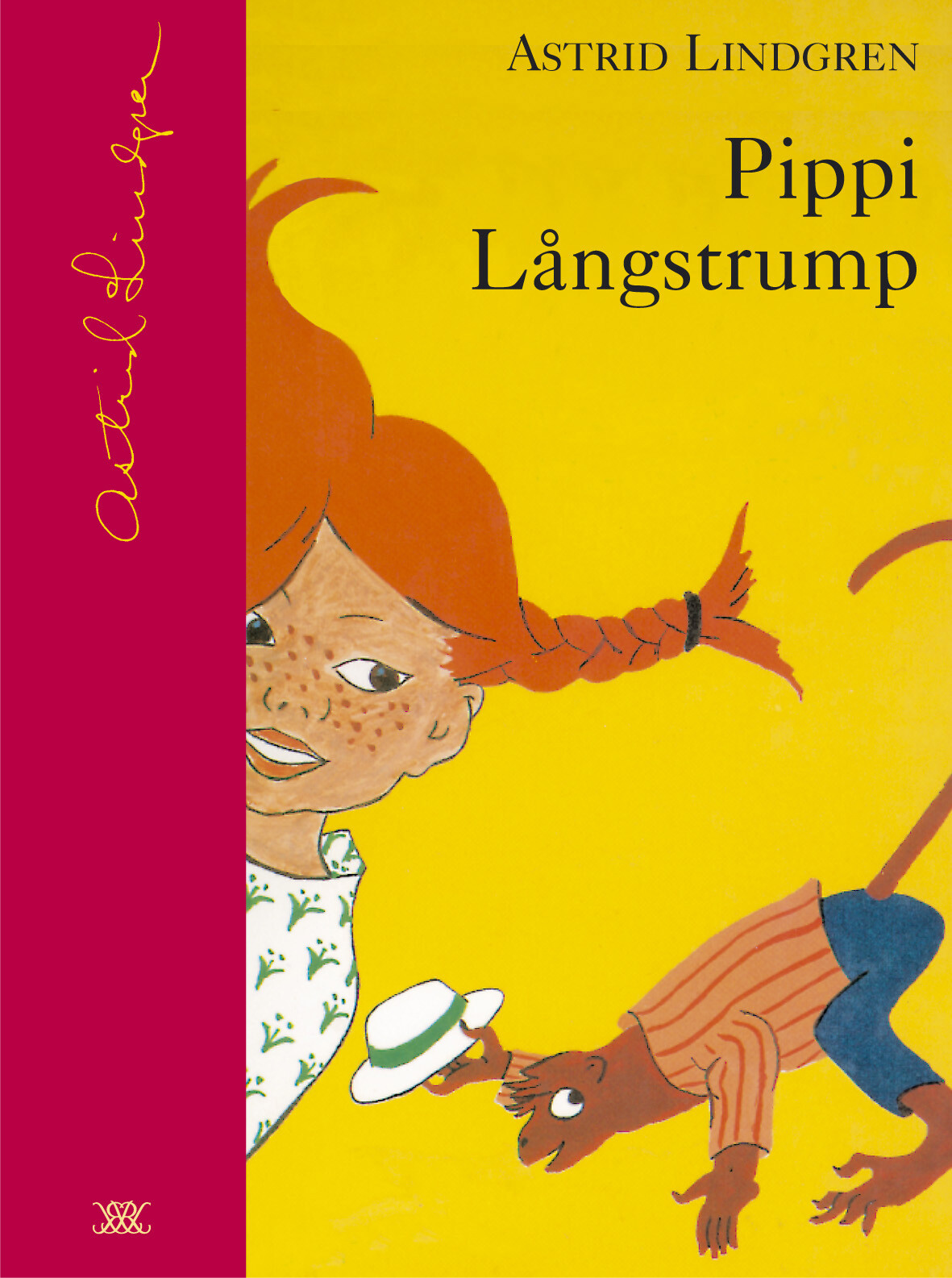
Cover: Pippi Långstrump — Rabén & Sjögren
Swedish: *Pippi Långstrump*
Few Swedish children's characters need less introduction.
Pippi lives in Villa Villekulla, has extraordinary strength, lives without ordinary adult supervision and approaches the world with confidence, imagination and a complete lack of interest in unnecessary rules.
Astrid Lindgren's official site describes Pippi as her best-known character internationally. Lindgren's books have been translated into more than 100 languages.*1
- Good for
- roughly 4+ as a read-aloud, older children independently
- Why know it
- Pippi is not simply a book character in Sweden — she is part of Swedish cultural vocabulary.
- For Swedish learners
- The picture-book versions can be an easier starting point than the longer chapter books.
Alfons Åberg — Gunilla Bergström
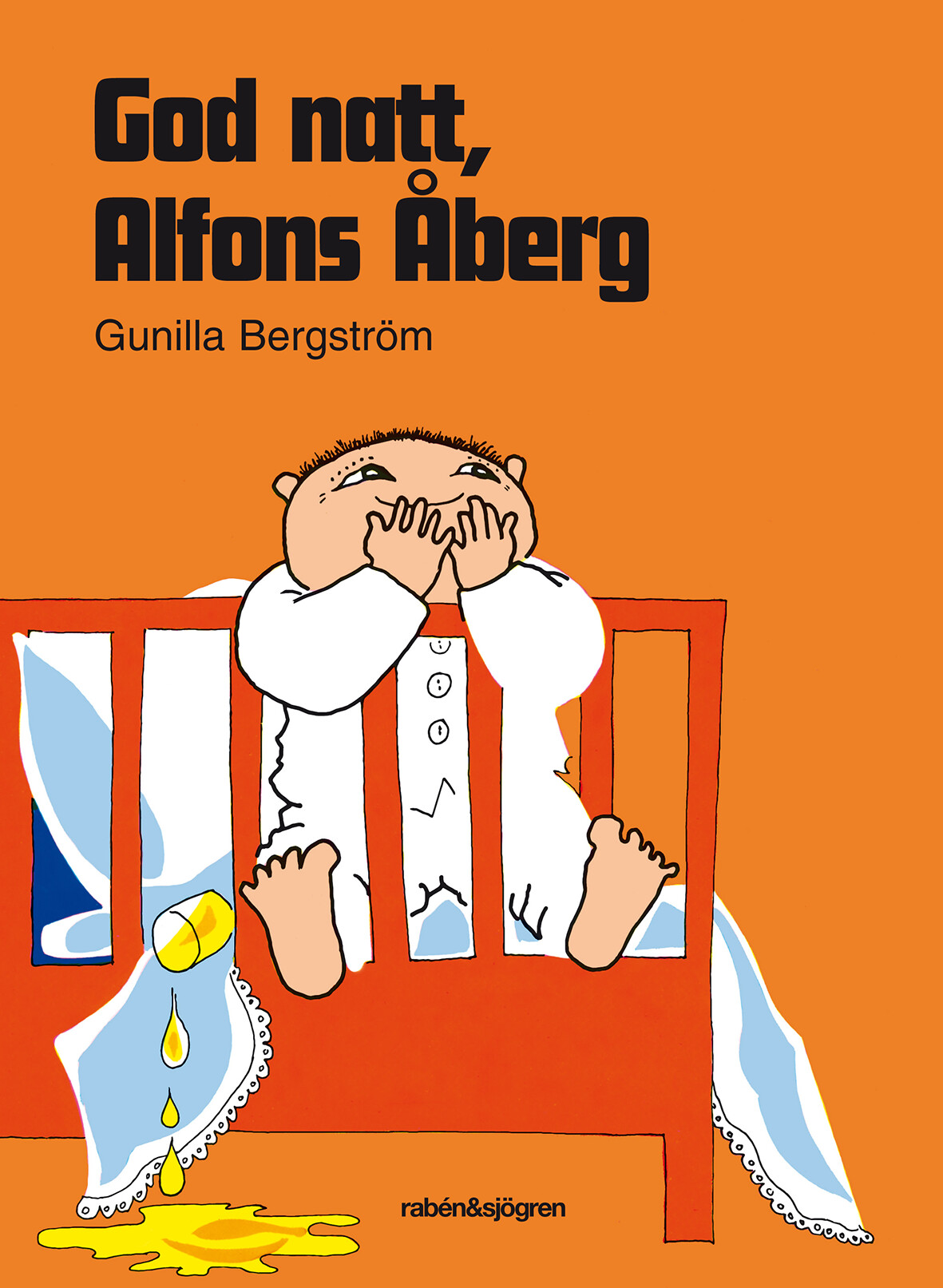
Cover: God natt, Alfons Åberg — Rabén & Sjögren
Alfons is refreshingly ordinary.
He lives with his father and deals with things children actually recognise: bedtime, friendships, fear, jealousy, imagination, arguments and growing up.
The first Alfons book, God natt, Alfons Åberg, was published in 1972. The Alfons stories have been read by generations of Swedish families.*2
There are also books specifically labelled for younger and older Alfons readers.
- Good for
- approximately 2–6
- Why parents like it
- Everyday situations are treated seriously without making them overly dramatic.
- Start with
- *God natt, Alfons Åberg*
Pettson and Findus — Sven Nordqvist
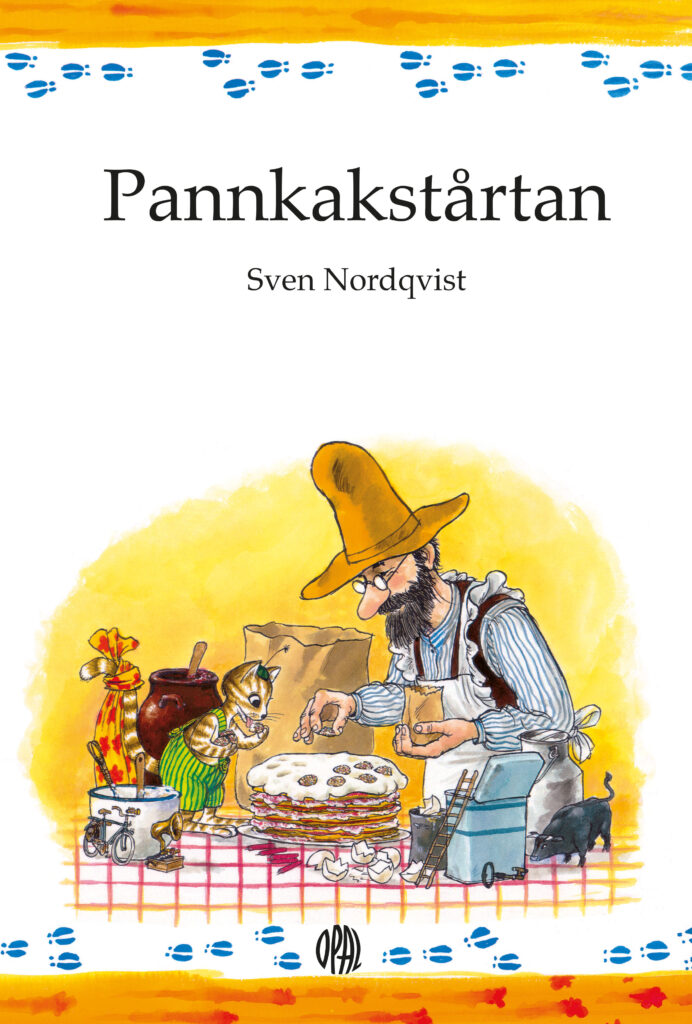
Cover illustration: Sven Nordqvist. Pannkakstårtan — Opal
Swedish: *Pettson och Findus*
Pettson is an inventive older man. Findus is his highly energetic cat.
That combination leads to pancakes, inventions, chickens, gardening disasters and elaborate plans that rarely go exactly as expected.
Sven Nordqvist first introduced Pettson and Findus in Pannkakstårtan, the book that became his major breakthrough.*3
The detailed illustrations are a huge part of the appeal — children can spend almost as much time examining the pages as listening to the story.
- Good for
- approximately 3–7
- Why know it
- One of Sweden's most recognisable picture-book worlds.
- Start with
- *Pannkakstårtan*
Mamma Mu and Crow — Jujja Wieslander
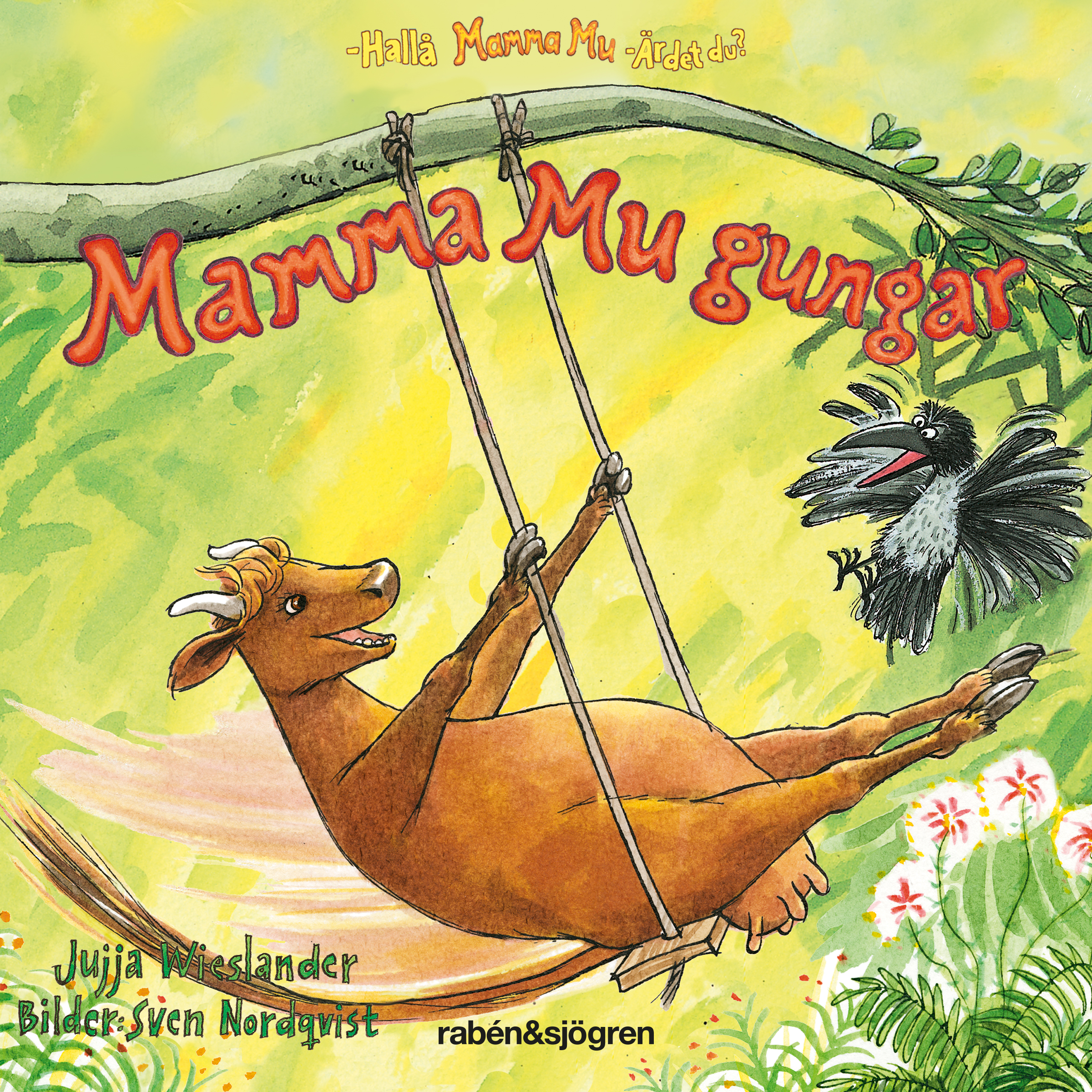
Cover: Mamma Mu gungar — Rabén & Sjögren
Swedish: *Mamma Mu och Kråkan*
Mamma Mu is a cow who sees absolutely no reason why cows should only behave like cows.
She wants to swing, swim, climb trees and try the things children do.
Crow is considerably more concerned with how things are “supposed” to be.
The official Mamma Mu site describes her as curious, warm and playful, while Crow is more cautious and worried about what others think.*4
The characters began in songs and stories and have been part of Swedish children's culture for decades.
- Good for
- approximately 2–6
- Why it's fun
- The contrast between enthusiastic Mamma Mu and horrified Crow works for adults too.
- For Swedish learners
- The repetitive dialogue and familiar situations can make the stories approachable.
Emil of Lönneberga — Astrid Lindgren
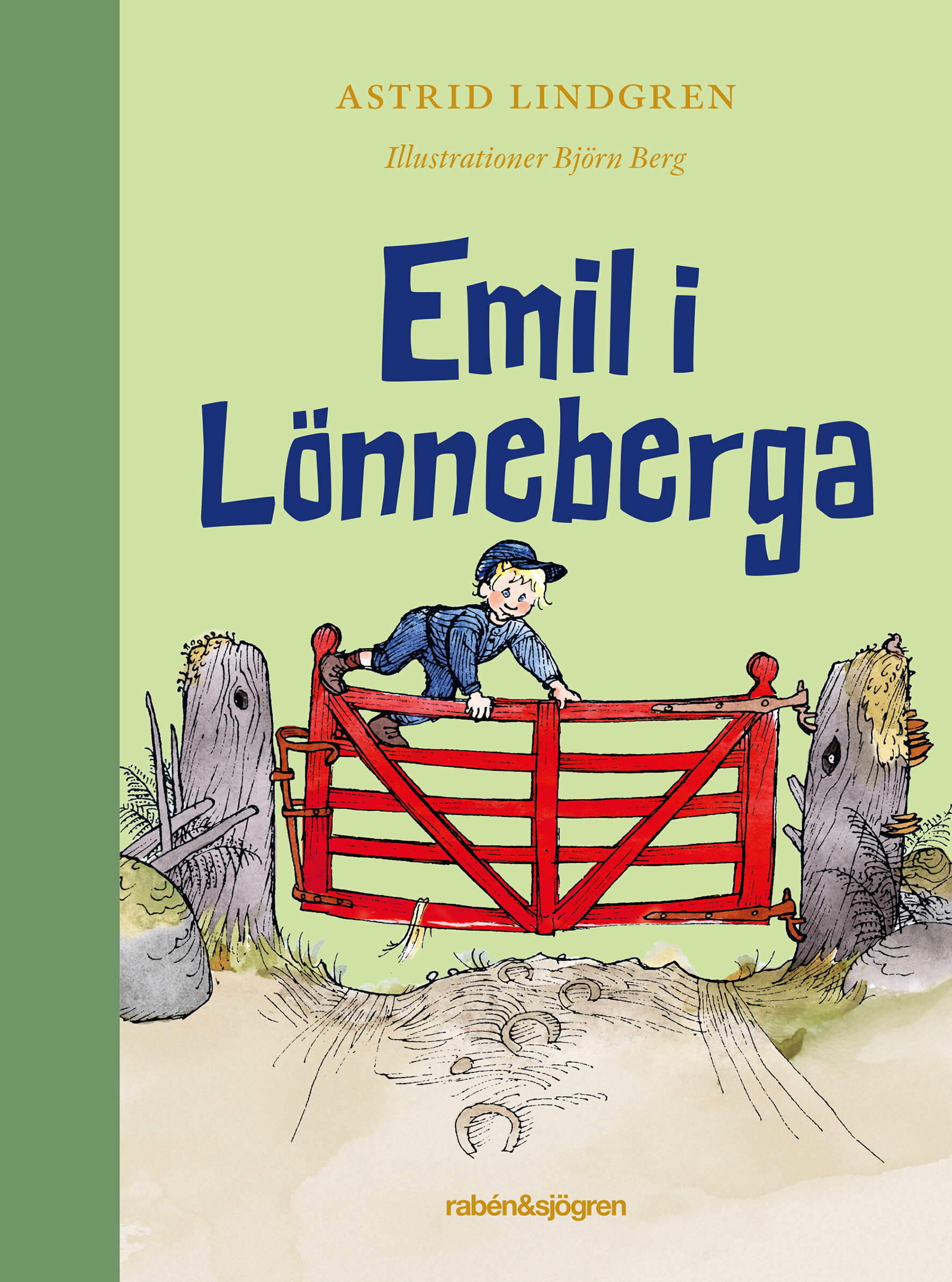
Cover: Emil i Lönneberga — Rabén & Sjögren
Swedish: *Emil i Lönneberga*
Emil is not trying to cause trouble.
Trouble simply has a remarkable ability to appear whenever he is nearby.
Set in Småland, the stories follow Emil, his family and the famous *snickerboa* — the woodshed where he is often sent after one of his adventures.
Emil is among Astrid Lindgren's internationally recognised characters, and his stories remain part of her core body of work.*1
- Good for
- approximately 5+ as a read-aloud
- Why know it
- Emil is deeply connected with traditional Swedish childhood imagery and rural Sweden.
- Parent warning
- You may find yourself sympathising with Emil's parents more than you expected.
The Vem? Books — Stina Wirsén
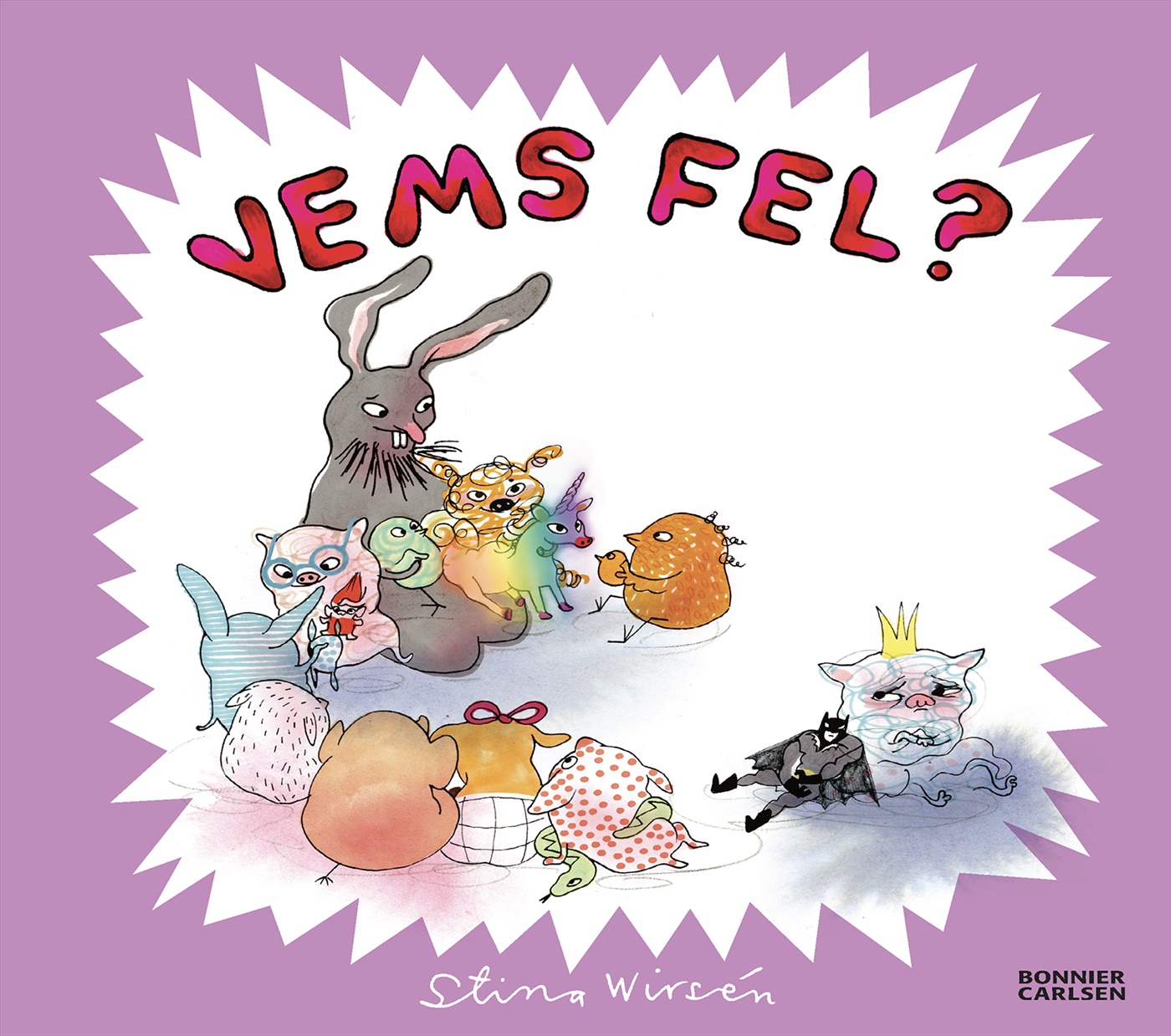
Cover: Vems fel? — Bonnier Carlsen
Swedish: *Vem-böckerna*
These small books tackle surprisingly large emotions.
Friendship, anger, fear, illness, death, siblings, sleeping away from home and family changes all appear in simple stories aimed at young children.
The Vem series explores both everyday and big questions from a child’s perspective.*5
- Good for
- approximately 2–5
- Why they stand out
- They do not assume that small children only have small feelings.
- Try
- *Vems fel?*, *Vem sover inte?* or *Vem är arg?*
Gittan and the Grey Wolves — Pija Lindenbaum
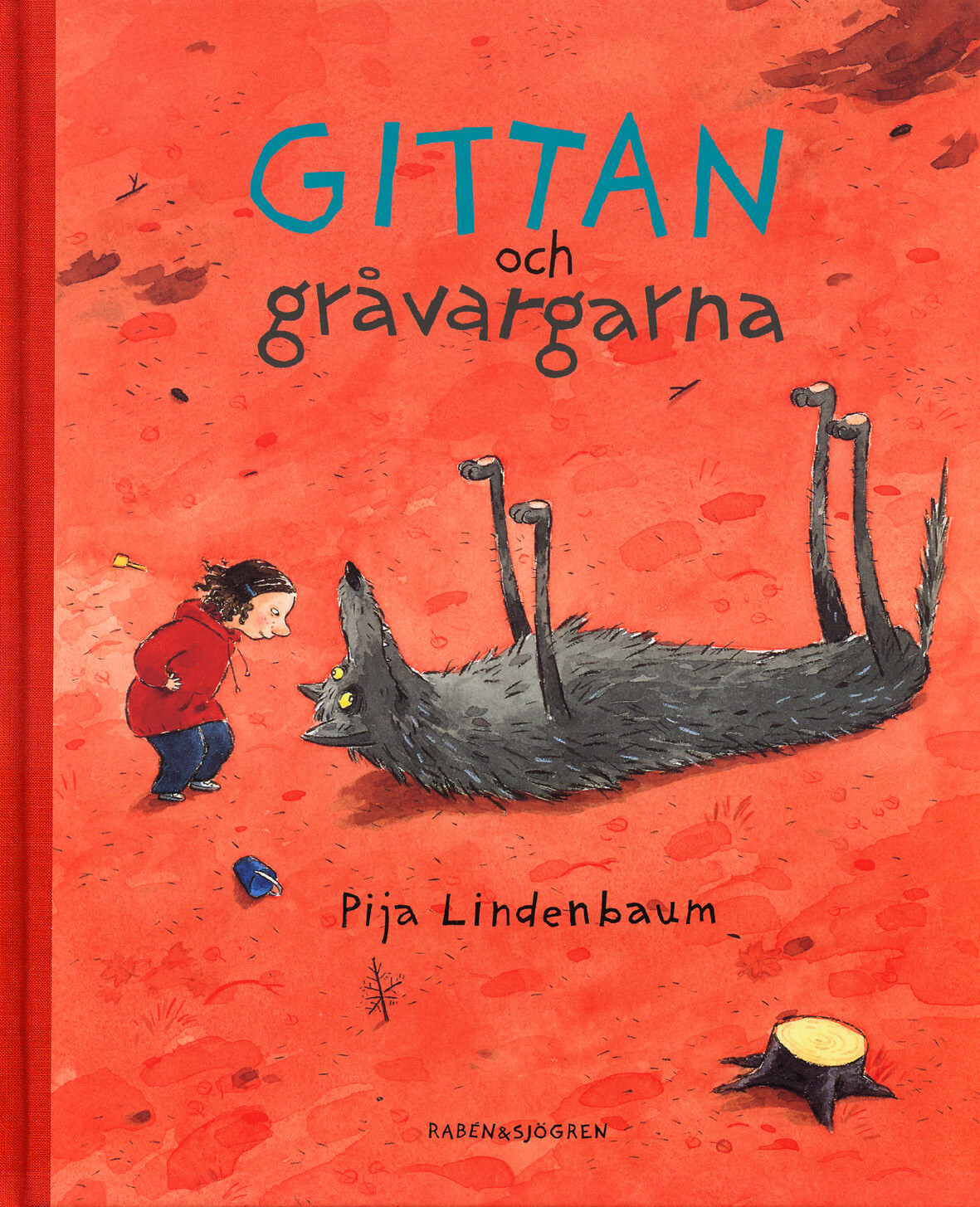
Cover: Gittan och gråvargarna — Rabén & Sjögren
Swedish: *Gittan och gråvargarna*
Gittan is careful and cautious.
Then she finds herself alone in the forest with a group of wolves.
Instead of becoming a helpless fairy-tale character, Gittan gradually takes control of the situation.
Pija Lindenbaum won Sweden's prestigious August Prize for *Gittan och gråvargarna* in 2000.*6
- Good for
- approximately 3–6
- Why know it
- It is funny, strange and quietly empowering without turning into a lesson.
Sandvargen — Åsa Lind
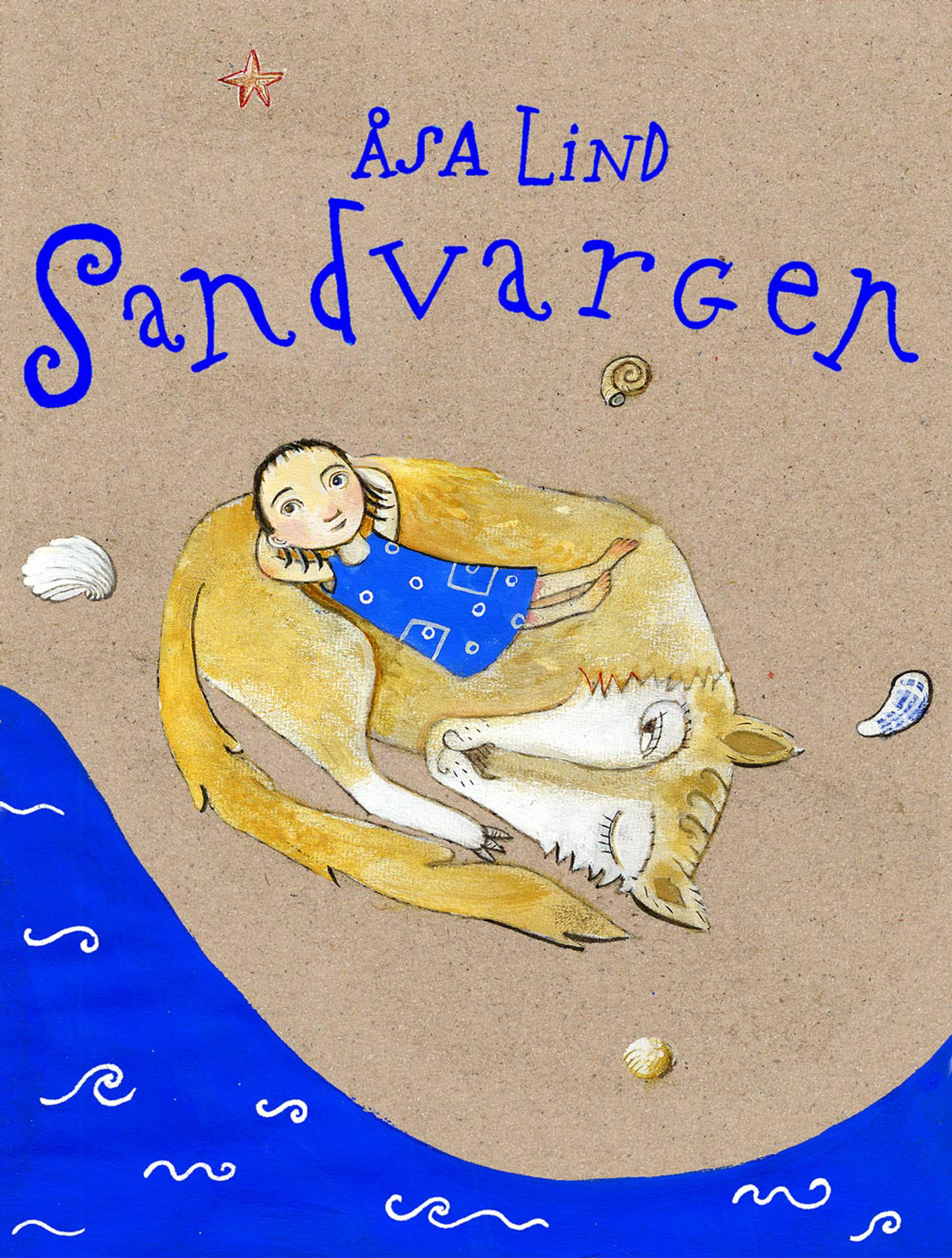
Cover: Sandvargen — Rabén & Sjögren
A girl named Zackarina meets a magical Sand Wolf on the beach.
Their conversations move easily between small everyday questions and enormous subjects: time, death, fear, parents, the universe and what it means to be alive.
Publisher Rabén & Sjögren describes *Sandvargen* as a modern classic.*7
- Good for
- approximately 5–9
- Why parents may love it too
- It captures the peculiar philosophical questions children ask just before bedtime when you were hoping to turn off the light.
LasseMaja Detective Agency — Martin Widmark & Helena Willis
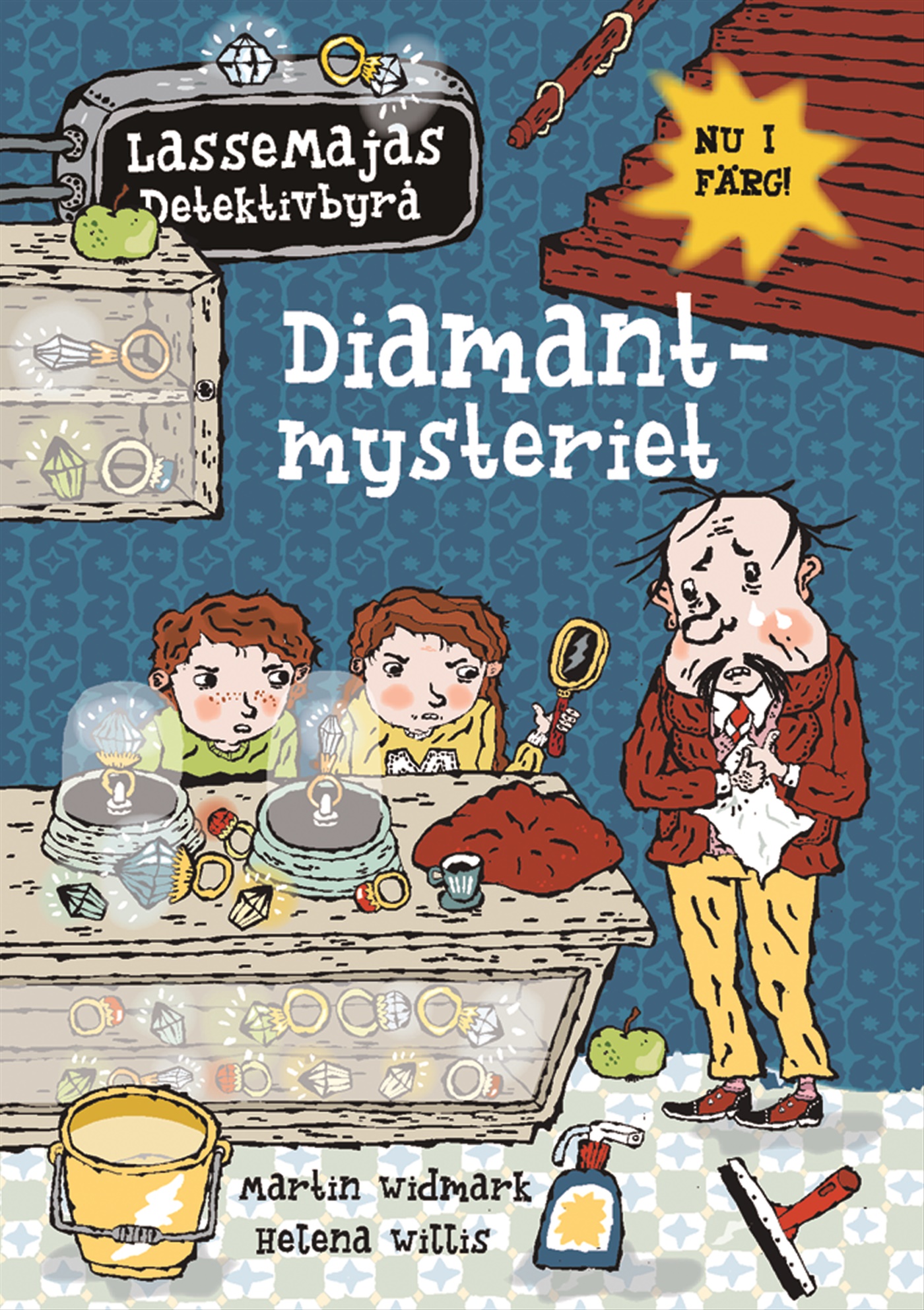
Cover: Diamantmysteriet — Bonnier Carlsen
Swedish: *LasseMajas Detektivbyrå*
Lasse and Maja run a detective agency in the fictional town of Valleby.
Each book presents a new mystery involving places such as a hotel, school, museum or jewellery shop.
Publisher Rabén & Sjögren places many LasseMaja titles in the 6–9 age group.*8
- Good for
- approximately 6–9
- Why know it
- This is one of those series children can move into when picture books start becoming too short.
- Good for Swedish practice
- Short chapters and recurring characters make the series approachable for developing readers.
Ronja, the Robber’s Daughter — Astrid Lindgren
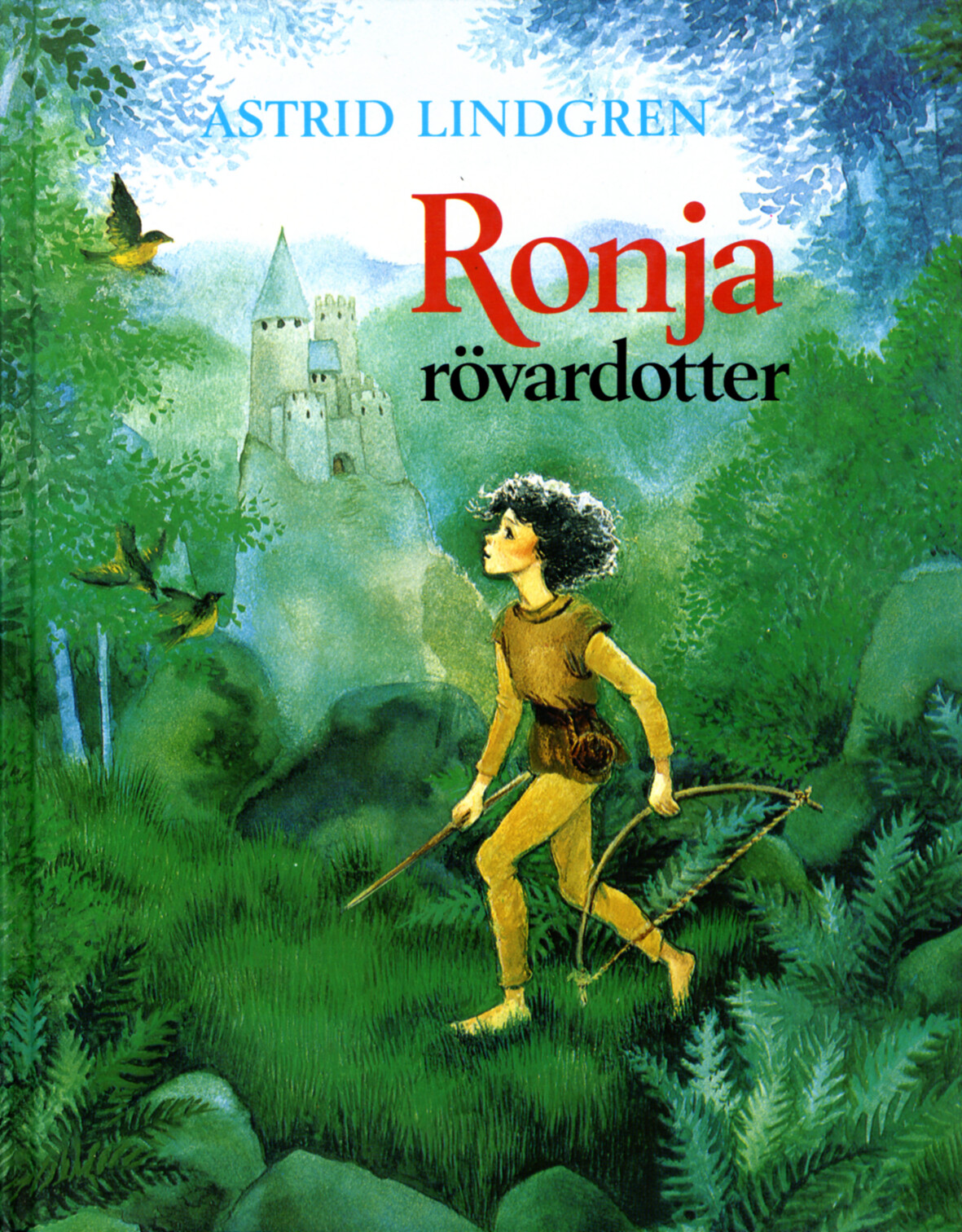
Cover: Ronja Rövardotter — Rabén & Sjögren
Swedish: *Ronja Rövardotter*
Ronja grows up in a robber's castle surrounded by forests, strange creatures and two rival clans.
At its heart, though, the story is about independence, friendship, family loyalty and deciding who you want to become.
Published in 1981, *Ronja Rövardotter* was Astrid Lindgren's last major novel.*9
- Good for
- approximately 7+
- Why know it
- If Pippi represents independence in one form, Ronja takes that idea into a larger, darker and more adventurous world.
The Brothers Lionheart — Astrid Lindgren
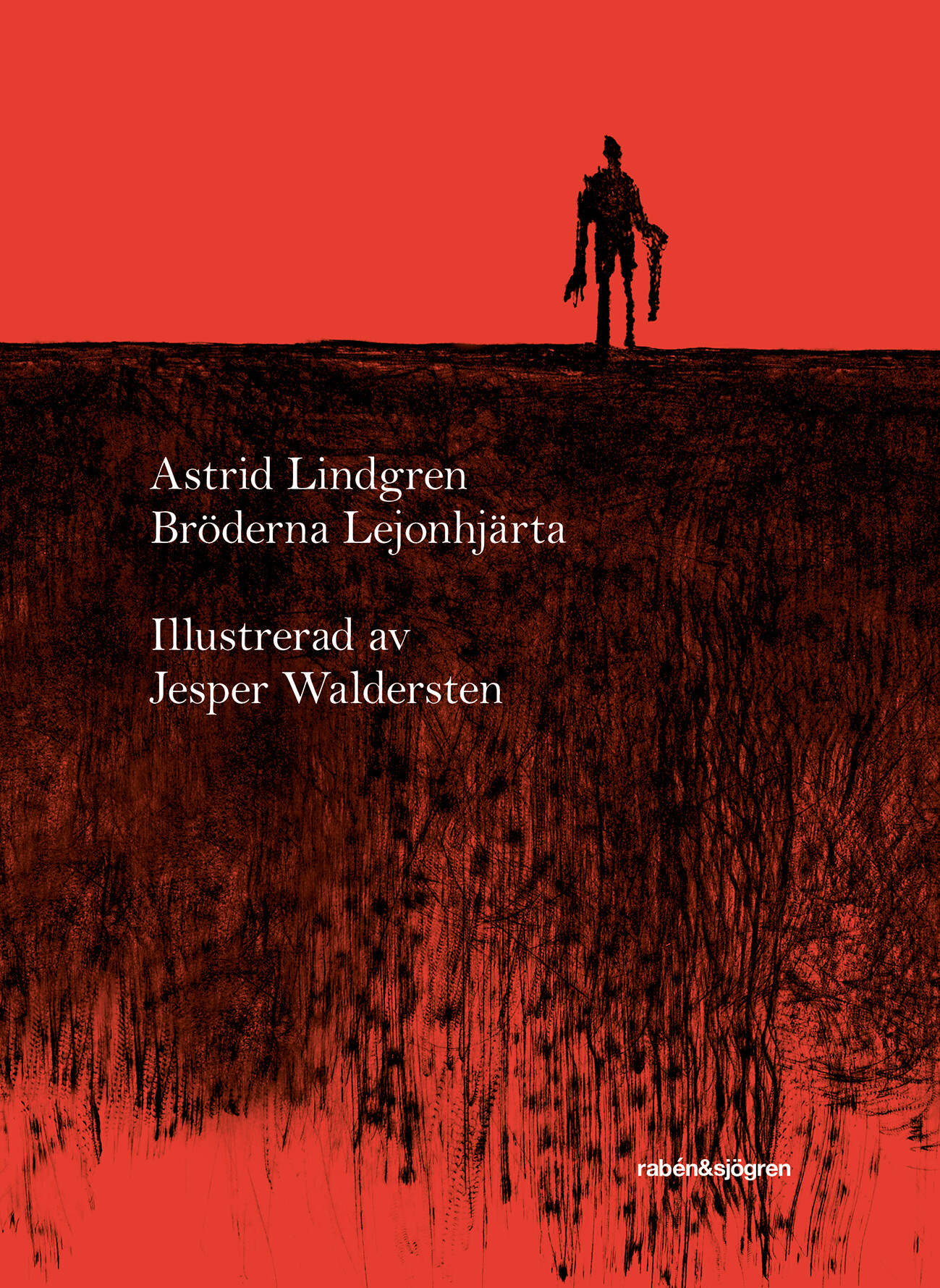
Cover: Bröderna Lejonhjärta (pocket) — Rabén & Sjögren
Swedish: *Bröderna Lejonhjärta*
This one is very different from Pippi.
It deals with sibling love, death, courage, tyranny and resistance through a fantasy adventure involving brothers Jonathan and Karl.
The book was published in 1973 and was controversial partly because of the seriousness of its themes.*10
- Good for
- older primary-school children, often best as a shared read
- Important for parents
- This is a beautiful book, but it contains themes of death and danger. It is worth knowing what the story is about before handing it to a sensitive child.
The Children of Noisy Village — Astrid Lindgren
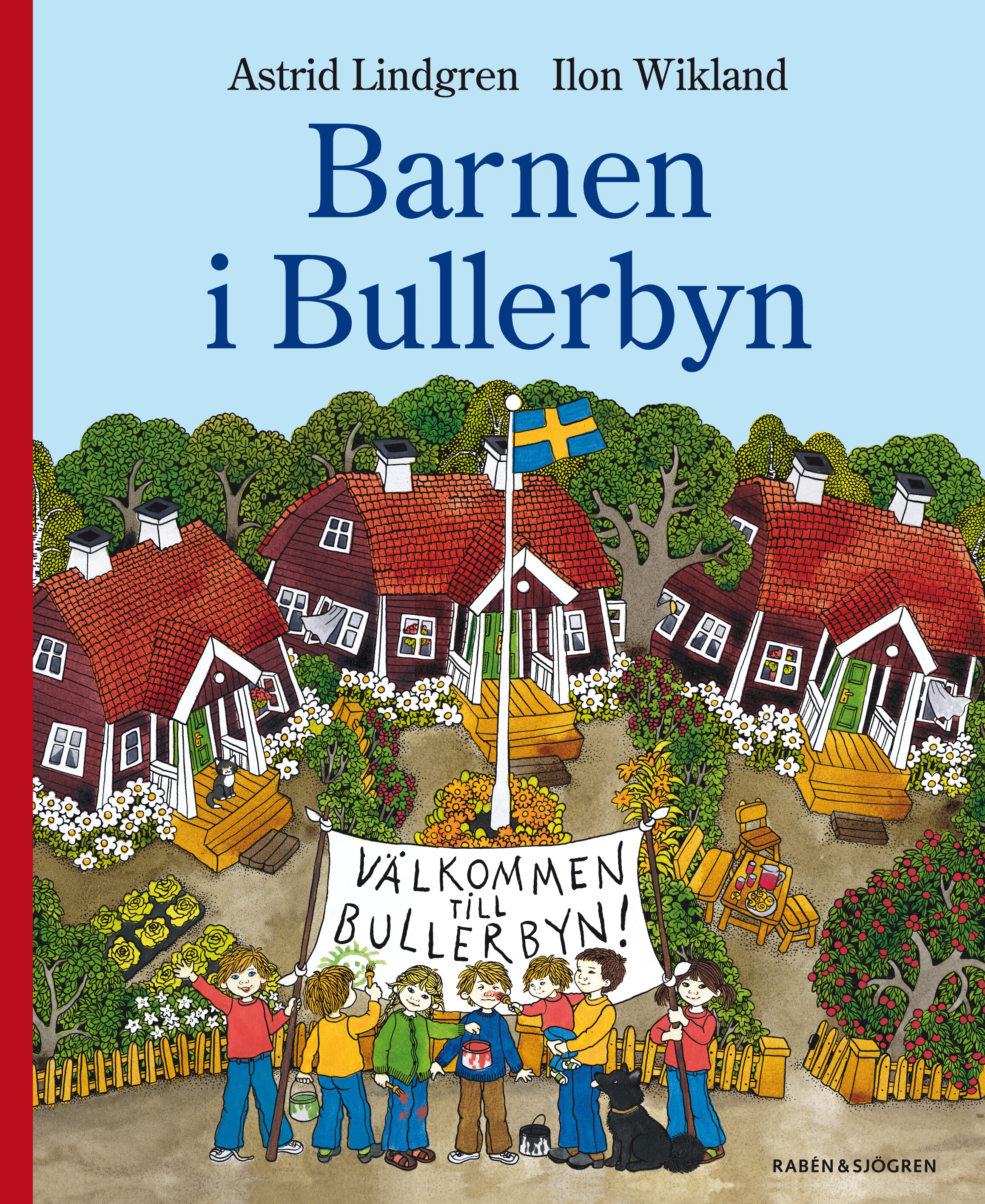
Cover: Barnen i Bullerbyn — Rabén & Sjögren
Swedish: *Barnen i Bullerbyn*
These stories follow a group of children growing up in a tiny rural community.
There are no superheroes and very few dramatic villains.
Instead: friendship, seasons, animals, school, Christmas, summer and the freedom of childhood.
Astrid Lindgren drew on memories and environments from her own childhood in Småland when creating the world of Bullerbyn.*11
- Good for
- approximately 5–9
- Why know it
- It has helped shape the nostalgic image of Swedish countryside childhood for generations.
Lilla Spöket Laban — Inger and Lasse Sandberg
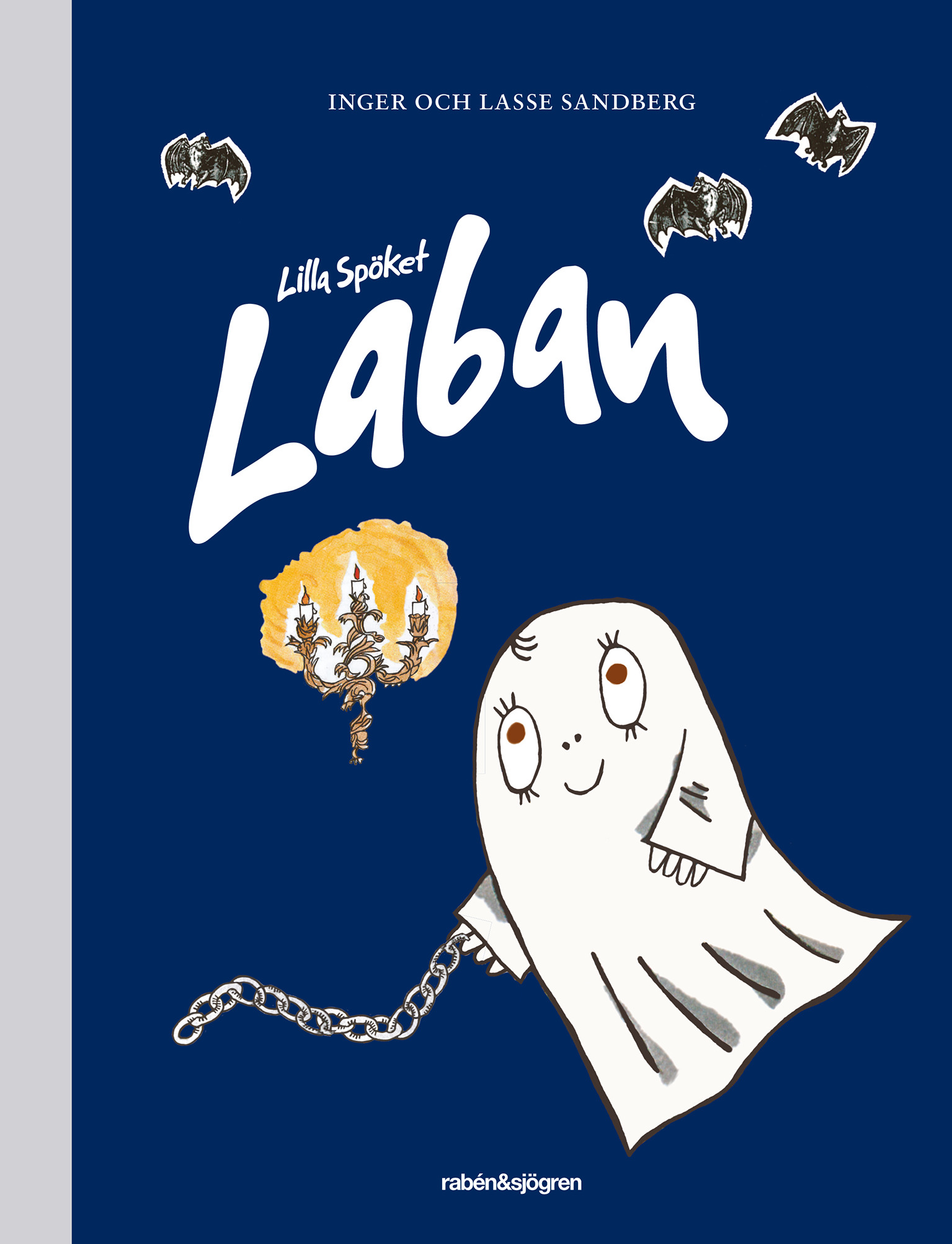
Cover: Lilla spöket Laban — Rabén & Sjögren
English: *The Little Ghost Laban*
Laban is supposed to be a frightening ghost.
Unfortunately for ghost tradition, he is gentle and often much more easily frightened than the people around him.
The books turn the traditional scary ghost story upside down and make fear itself feel less frightening.
- Good for
- approximately 2–5
- Why know it
- Laban is a familiar Swedish preschool character and works particularly well with younger children who like “spooky” things without actually wanting to be scared.
Max — Barbro Lindgren & Eva Eriksson
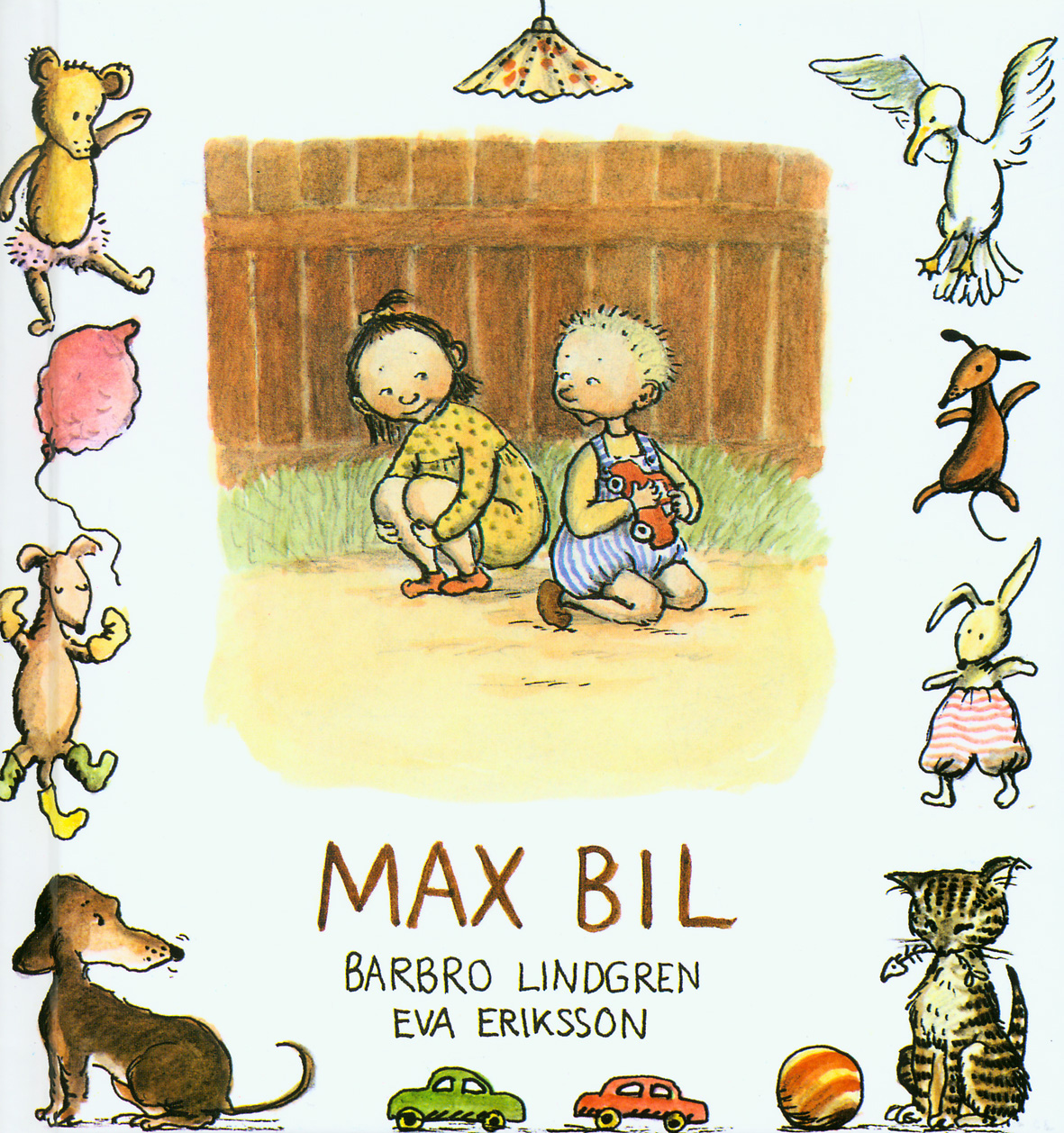
Cover: Max bil — Rabén & Sjögren
The Max books are short stories about toddler life: eating, sleeping, toys, nappies, feelings and extremely serious toddler problems.
Illustrator Eva Eriksson has worked with Barbro Lindgren on the Max books as well as several other well-known Swedish children's-book series.*12
- Good for
- approximately 1–3
- Why they work
- Very little text, recognisable situations and clear pictures make them useful first books.
- For Swedish learners
- Also excellent if the parent is learning Swedish at the same time as the child.
Elsa Beskow’s Picture Books
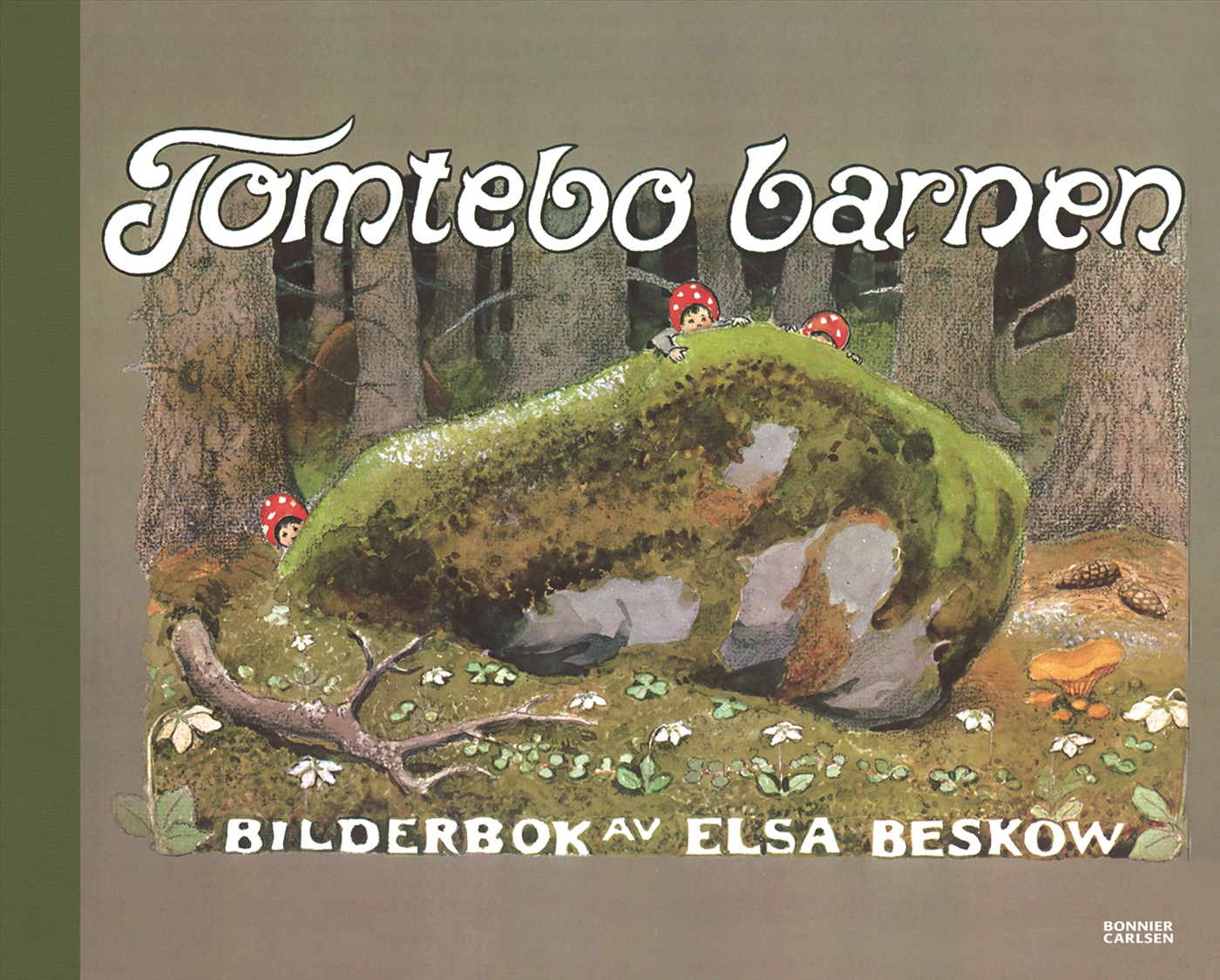
Cover: Tomtebobarnen — Bonnier Carlsen
If you have ever seen vintage-style Swedish illustrations of tiny children in berry hats, flowers, forests or mushroom costumes, there is a fair chance Elsa Beskow is somewhere behind them.
Her books combine nature, imagination and fairy-tale worlds and have become part of the visual tradition of Swedish children's literature.
Titles include classics such as:
- *Puttes äventyr i blåbärsskogen*
- *Tomtebobarnen*
- *Hattstugan*
- *Tant Grön, Tant Brun och Tant Gredelin*
- Good for
- approximately 3–7
- Why know them
- They offer a very different window into Swedish children's literature — more traditional and visually nostalgic than many modern books.
Where should you start?
You definitely do not need all 15.
If your child is very young, try:
Max → Alfons Åberg → Mamma Mu
For a preschooler:
Pettson & Findus → Vem? → Gittan
For a child starting to enjoy longer stories:
Pippi → Emil → Sandvargen
For an early independent reader:
LasseMajas Detektivbyrå
And for older children ready for bigger themes:
Ronja Rövardotter → Bröderna Lejonhjärta
Are these books available in English?
Many of the best-known Swedish children's books have been translated.
Astrid Lindgren's works are particularly widely available internationally; her books have been translated into more than 100 languages.*1
Mamma Mu also has official English-language editions under the name Mamma Moo and Crow.*4
Availability varies by title and country, so if your child is learning Swedish, one nice option is to borrow the Swedish version from the library and keep an English version at home.
A tip for families new to Sweden
If you do not want to buy books immediately, start at your local bibliotek — public library.
Let your child choose.
You may walk in planning to introduce them to a major Swedish literary classic and walk out with six books about a cow on a swing.
That still counts as cultural integration.
Sources
- Astrid Lindgren — Ronja Rövardotter
- Astrid Lindgren — Bröderna Lejonhjärta
- Astrid Lindgren — Barnen i Bullerbyn
This list is an editorial introduction, not an official ranking. Reading age varies by child and edition. Cover images are credited to the linked publishers; they are not copyright-free.