New to Sweden with Kids? How to Apply for Preschool Step by Step
New to Sweden with a young child? Learn how förskola works, when your child has a right to preschool, how the four-month rule works, what preschool costs and where to start.
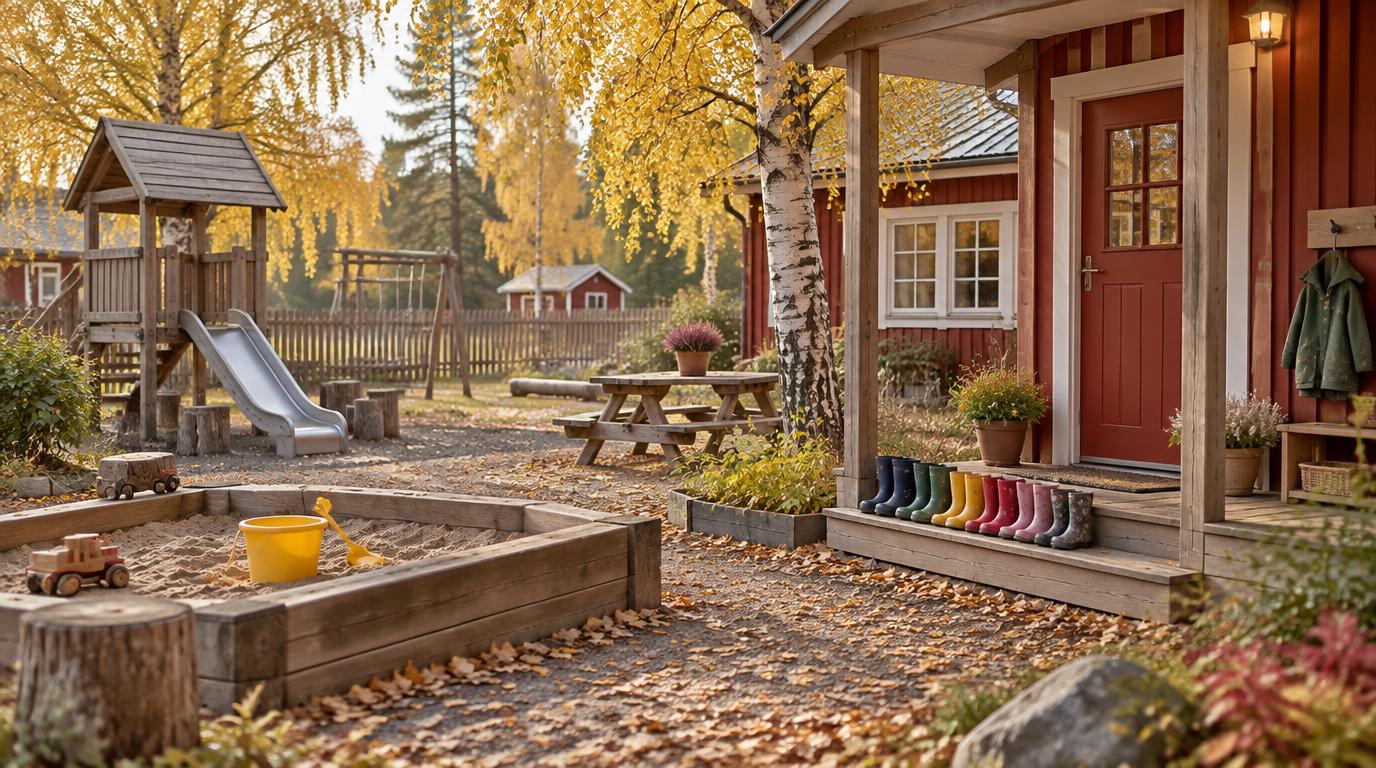
You have just moved to Sweden with a small child.
Someone asks:
“Have you applied for förskola yet?”
You smile confidently. Then go home and Google:
“What is förskola?”
Completely normal.
The Swedish preschool system comes with its own vocabulary, queues and rules — but once you understand the basics, it becomes much easier. Here is where to start.
Step 1: First, what exactly is förskola?
Förskola — preschool — is the first stage of the Swedish education system. It is generally for children between one and six years old and combines care, development and learning.*1
Children learn through:
- play
- exploration
- creativity
- language and mathematics
- movement
- interaction with other children and adults.*1
All preschools must follow the Swedish Education Act and the national preschool curriculum, whether they are municipally or independently operated.*1
One important difference from school: preschool is voluntary. Your child does not have to attend.
Step 2: Check your child's right to preschool
From age one, a child must be offered preschool to the extent needed because the parents work or study, or because the child has their own need due to the family's circumstances. This does not automatically mean full-time preschool.*1
Preschool must also be offered when a child needs special support in their development.*1
If a parent is unemployed or on parental leave with another child, the child must be offered at least three hours per day or 15 hours per week from age one. Some municipalities offer more.*1
So do not assume that parental leave automatically means your older child loses access to preschool.
Step 3: Start with your kommun
Your kommun — municipality — is the best starting point. Search for “förskola + [your municipality]”.
The municipality's website normally explains:
- how to apply
- which preschools are available
- how the local queue or placement system works
- what fees apply.
There are both kommunala förskolor — municipal preschools — and fristående förskolor — independent preschools. Independent preschools may be run by companies, foundations, associations, faith organisations or parent cooperatives.
Both forms are part of the education system and must follow the national curriculum. However, applications and queue rules can differ, so check whether you apply through the municipality or directly to an independent preschool.*3
Step 4: Compare the actual preschool, not only its name
Two preschools can follow the same curriculum and still feel very different. Group sizes, staff education, outdoor environments, routines, food, educational approach and communication with parents can vary.*3
Before ranking your choices, ask:
- How large are the groups?
- How many qualified preschool teachers work here?
- How much time do children spend outside?
- How does the preschool communicate with parents?
- What happens when regular staff are absent?
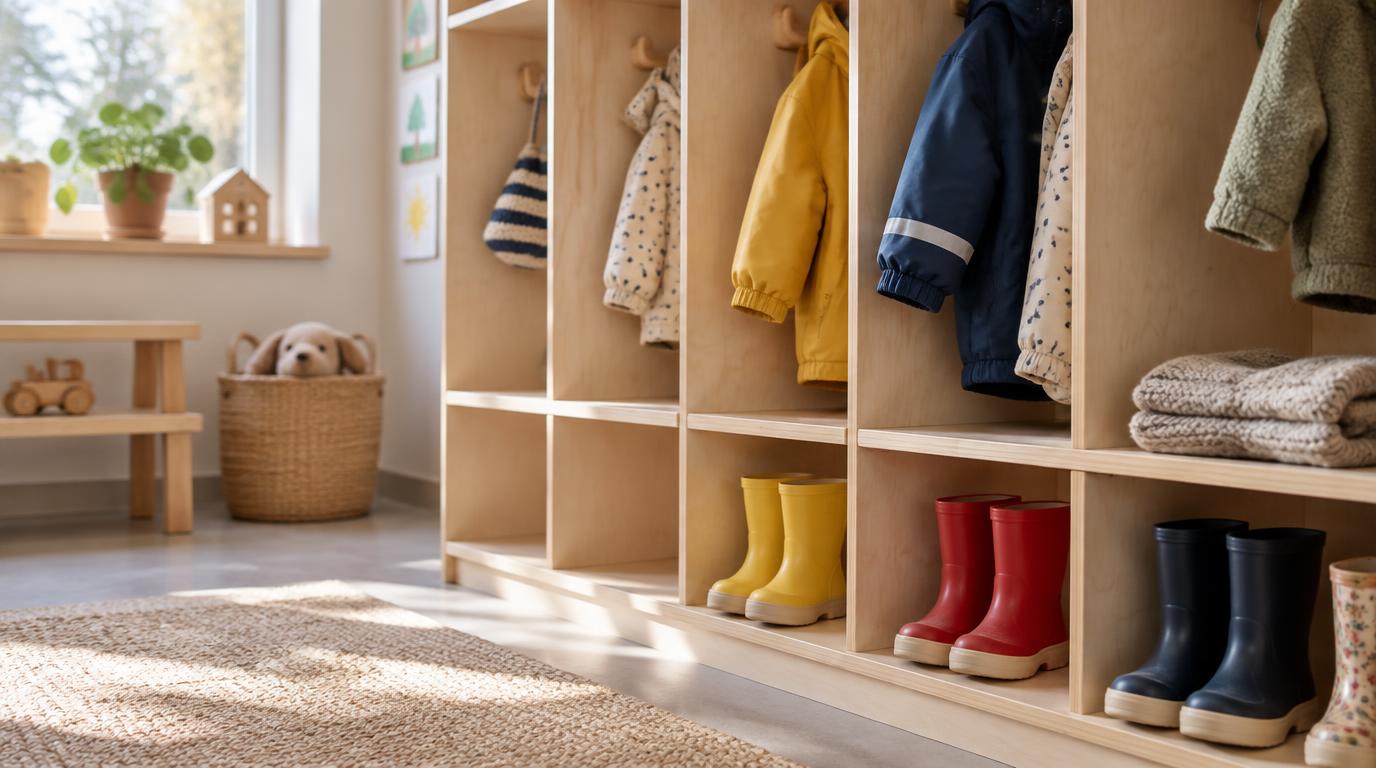
If possible, visit. Look at how the children and adults interact, and consider where your child is most likely to feel safe.
Step 5: Understand the four-month rule
This rule is often misunderstood.
When a guardian applies for a place at a publicly operated preschool, the municipality must offer the child a preschool place within four months.*2
That does not guarantee your first-choice preschool. A child should be offered a place as close to home as possible, while reasonable consideration must be given to the guardians' wishes.*2
Think:
“A public preschool place within four months”
not:
“My favourite preschool within four months.”
The guarantee does not apply in the same way to a specific independent preschool. Local queue and placement rules can also vary.
Step 6: From age three, 525 hours affect the fee
From the autumn term of the year your child turns three, the preschool fee may only cover attendance exceeding 525 hours per year.*1,*2
This is commonly called allmän förskola — universal preschool. It is often described as 525 free hours, but legally it works as a limit on what part of the child's attendance may be charged for.
If your child attends for more hours, you may pay a fee for the remaining time. Fees are based on household circumstances, and all municipalities use the national maximum-fee system known as maxtaxa.*2
Check your municipality's current fee table. The exact amount depends on household income, the number of children enrolled and local arrangements.
New to Sweden? Your municipality may contact you first
This is particularly relevant for newly arrived families.
Municipalities have an outreach duty for children aged three and over who are entitled to preschool but do not have a place. They must inform guardians about preschool and the child's right to attend.*1,*4
There is also a separate rule for certain children who, or whose guardians, have lived in Sweden for a short time. From the autumn term of the year the child turns three, the municipality may be required to make an unsolicited offer of a reserved preschool place — even when the guardians have not applied.*1,*4
The detailed conditions include that the child is registered as living in Sweden. The offer must be made at least three months before the place is available and held open for one month. You may decline it. If the child does not start preschool, a new offer must be made before each autumn until the year the child turns five, while the conditions continue to apply.*1,*4
So if an unexpected preschool offer arrives from your municipality, it may not be a mistake. Contact the municipality and ask which rule and dates apply to your child.
Step 7: Preschool is more than childcare
Swedish preschool is part of the education system. The curriculum covers language, mathematics, health, sustainability, science and technology — with learning built around play, exploration and everyday activities.*1
When comparing preschools, do not only ask:
“Where can my child stay while I work?”
Also ask:
“Where will my child feel safe, play, communicate and develop?”
Your preschool starter checklist
- ☐ Find your municipality's preschool application page
- ☐ Check whether your child is entitled to preschool and for how many hours
- ☐ Look at several preschools near your home
- ☐ Compare group size, staff, outdoor environment and communication
- ☐ Check how the local application and queue system works
- ☐ Do not assume the four-month rule guarantees your first choice
- ☐ Check the current fee and maxtaxa rules
- ☐ If your child is three or older, understand the 525-hour fee rule
- ☐ Be aware that the municipality may contact some newly arrived families proactively
- ☐ Contact the municipality if anything is unclear
Sources
- Skolverket — The right to preschool Preschool eligibility, hours, universal preschool and outreach obligations.
- Skolverket — Fees The 525-hour fee rule and maxtaxa.
- Utbildningsguiden — Find and compare preschools Municipal and independent preschools and factors to compare.
- Sveriges Riksdag — Education Act (2010:800), Chapter 8 Four-month placement, proximity, outreach and reserved-place rules.
Information checked 23 September 2026. This article provides general guidance. Application systems, queue rules, opening hours and local fees differ between municipalities and preschools. Always check current information with your municipality.