Montessori, Reggio Emilia, Waldorf and More: What Do Preschool Labels Really Mean?
A parent's guide to the pedagogical labels Swedish preschools use — Montessori, Reggio Emilia, Waldorf, Freinet and I Ur och Skur — what they mean in practice, and why a label alone is never a quality guarantee.
When searching for a preschool in Sweden, you may come across names such as Montessori, Reggio Emilia, Waldorf, Freinet or I Ur och Skur.
These are examples of pedagogical approaches or inspirations used by Swedish preschools. Regardless of their approach, all preschools in Sweden must follow the national preschool curriculum.
But there is an important difference between what a preschool calls itself and what actually happens in its everyday practice. Two preschools can use the same label and work in very different ways — and a preschool with no label at all can be an excellent preschool.
This guide explains what the most common labels actually mean, what they look like in practice, and what you should look for beyond the name.
Why do preschools use pedagogical labels?
A pedagogical label usually signals that a preschool is inspired by a particular tradition, philosophy or method. It can describe how the environment is organised, how teachers work with children, what materials are used, or how much time is spent outdoors.
For parents, a label can be a useful starting point — a hint about the preschool's values and everyday routines. But it is only a hint.
Montessori
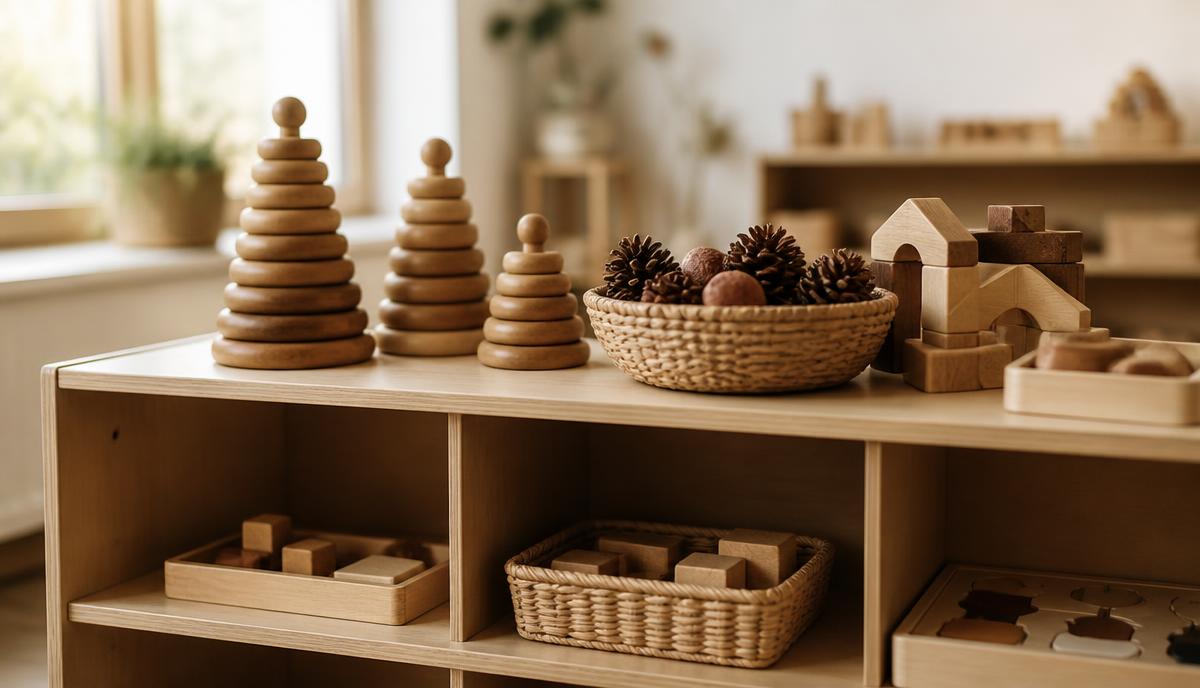
The Montessori approach, developed by the Italian physician and educator Maria Montessori, emphasises children's independence, concentration and self-directed activity.
In practice, a Montessori preschool in Sweden often features:
- carefully prepared environments with specific Montessori materials, often made of wood
- children choosing activities individually and working at their own pace
- mixed-age groups, where younger children learn from older ones
- teachers who observe and guide rather than lead large group activities
In Sweden, some Montessori preschools are authorised by the Svenska Montessoriförbundet, which sets requirements for materials, environment and teacher competence. Others are simply "Montessori-inspired" to varying degrees.
What to ask
Is the preschool authorised by the Swedish Montessori Association? How many staff have Montessori training? What does a typical morning actually look like?
You can search for Montessori preschools and schools in the directory at Montessori.se.
Reggio Emilia
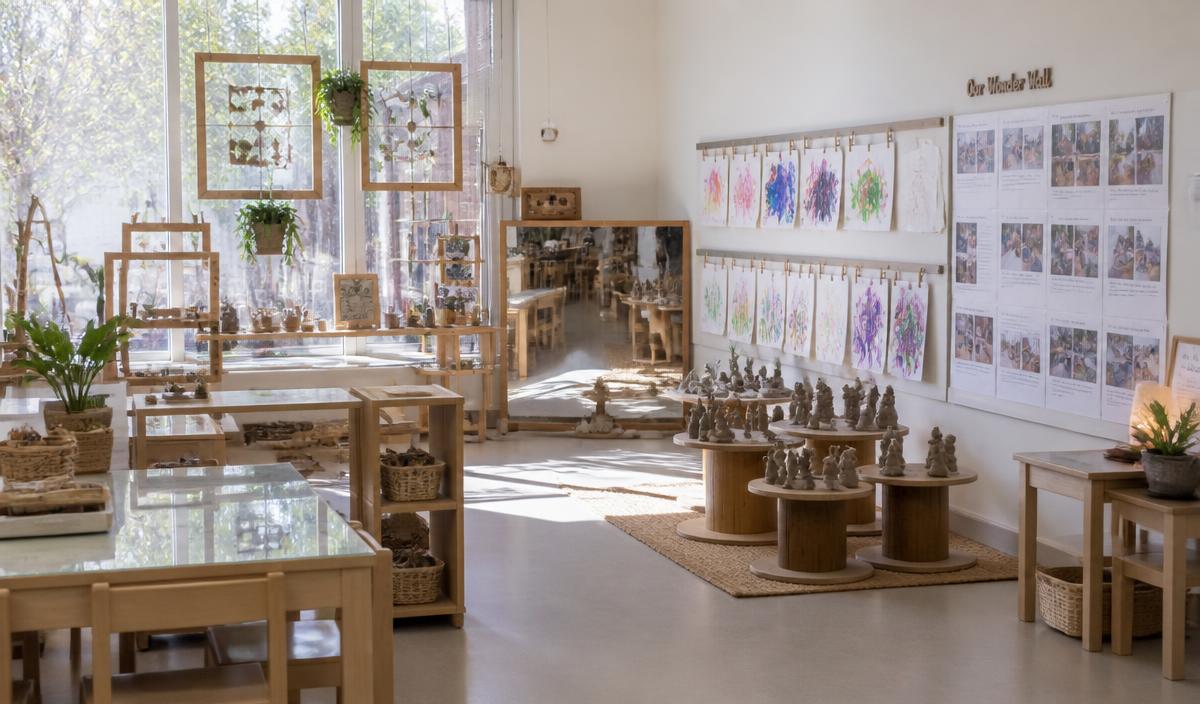
Reggio Emilia is not a method with fixed materials or manuals. It is a pedagogical philosophy that originated in the city of Reggio Emilia in northern Italy, built on the idea of the child as competent, curious and full of potential.
Preschools inspired by Reggio Emilia in Sweden often emphasise:
- the environment as a "third teacher" — thoughtful, beautiful and inviting spaces
- project work, where children's questions and interests shape longer explorations
- documentation: teachers photograph, record and reflect on children's learning processes
- the "hundred languages of children" — expression through art, music, movement, building and play, not only words
Because Reggio Emilia is a philosophy rather than a franchise, quality and interpretation vary widely between preschools. The Reggio Emilia Institutet in Stockholm is the Swedish centre for this inspiration and offers networks and professional development.
What to ask
Can you show me an example of a project the children have worked on? How do you document children's learning, and how are parents involved in that documentation?
Waldorf (Steiner)
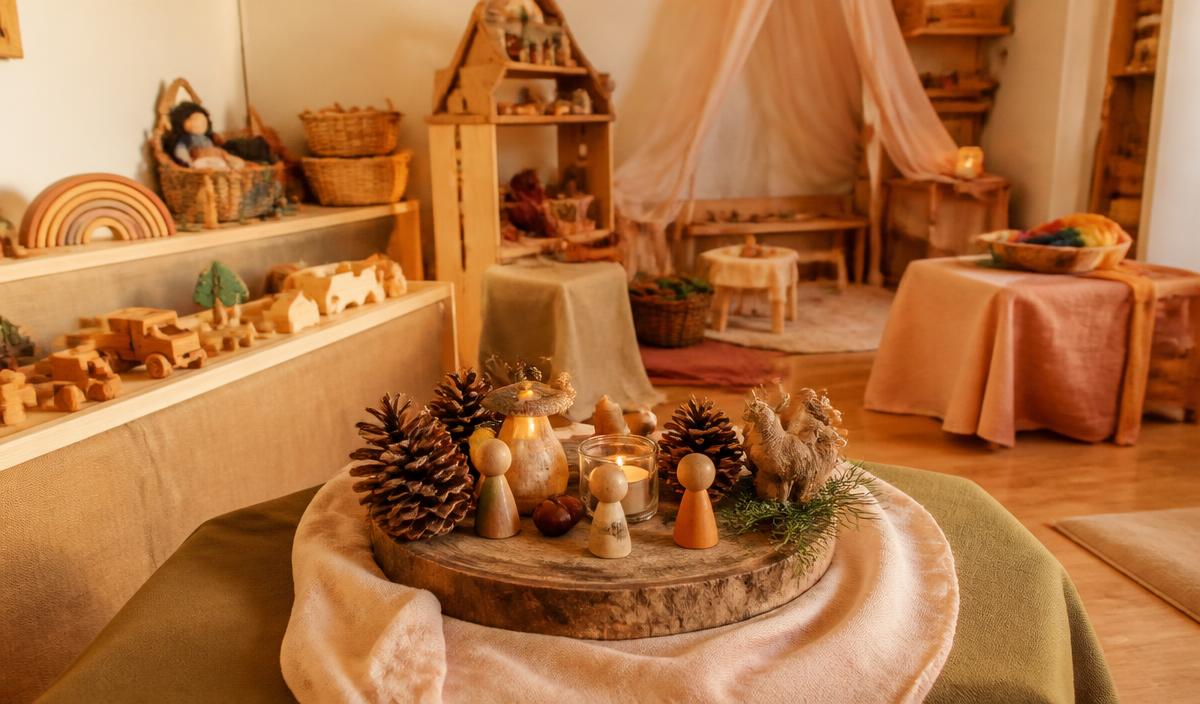
Waldorf pedagogy, based on the ideas of Rudolf Steiner, focuses on rhythm, imitation, imagination and practical, artistic and nature-oriented activities.
A Waldorf preschool in Sweden typically offers:
- a strong daily, weekly and seasonal rhythm with recurring rituals
- plenty of free play, storytelling, singing, baking, gardening and crafts
- natural materials rather than plastic toys or digital tools
- the same group and teachers following the children over several years
Waldorf preschools in Sweden belong to a national network, and Waldorf Sweden publishes a directory of member preschools.
What to ask
What does the weekly rhythm look like? How much time do the children spend outdoors? How do you work with the national curriculum's goals within the Waldorf tradition?
Freinet
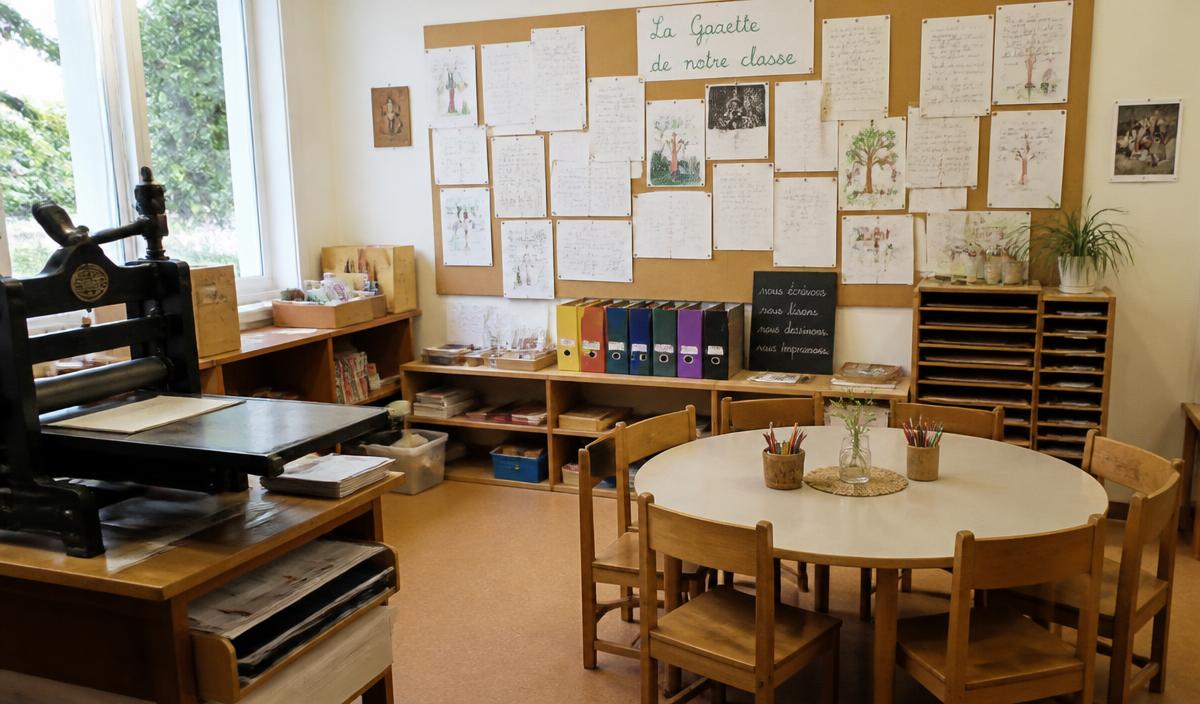
Freinet pedagogy, developed by the French teacher Célestin Freinet, builds on children's own experiences, cooperation and meaningful, real-life work.
In a Freinet-inspired preschool you may see:
- children's questions and everyday experiences as the starting point for activities
- an emphasis on communication — letters, newspapers, presentations and free expression
- cooperation and shared responsibility rather than competition
- strong links between the preschool and the surrounding community
The Svenska Freinetförbundet supports Freinet-inspired preschools and schools in Sweden.
I Ur och Skur and outdoor pedagogy
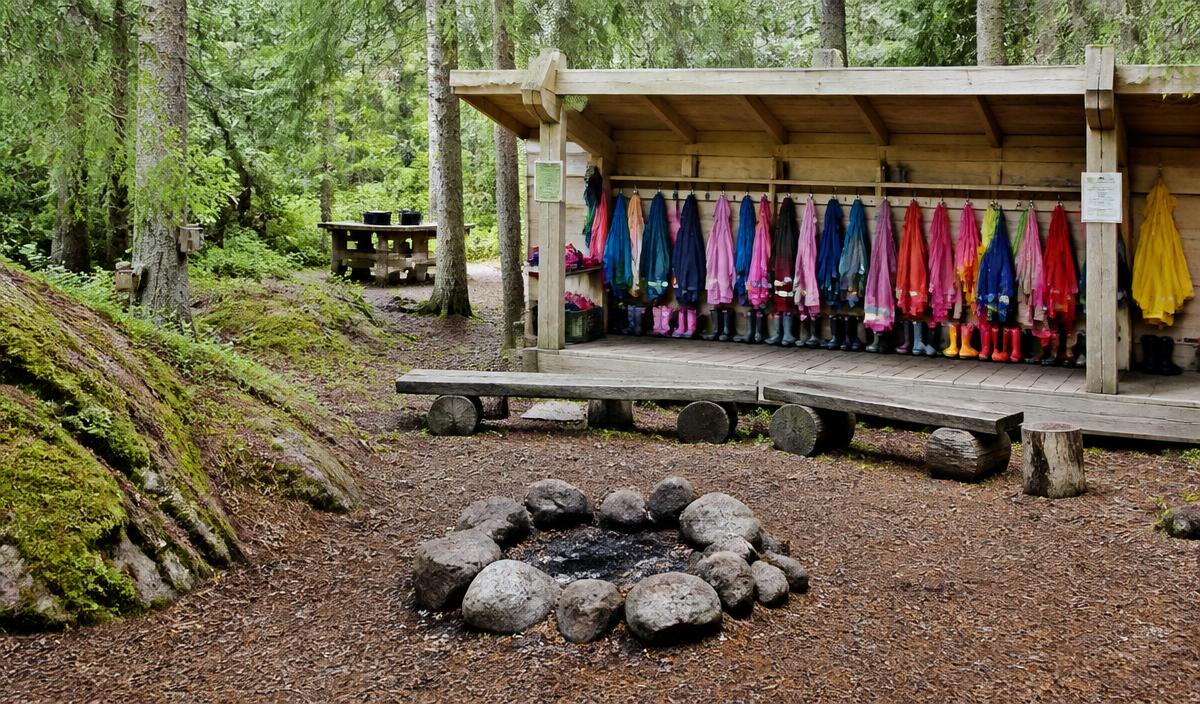
I Ur och Skur — roughly "in rain or shine" — is a Swedish outdoor pedagogy tradition in which children spend most of the day outdoors, all year round, in almost any weather.
Outdoor-oriented preschools in Sweden typically feature:
- daily excursions to forests, parks or natural areas
- practical skills: dressing for the weather, making fires, using tools safely
- nature as the main learning environment for language, maths, science and movement
- a strong focus on physical activity and children's relationship with nature
The national association I Ur och Skur supports outdoor-oriented preschools across Sweden.
A label is not a guarantee of quality
This is the most important point in this entire guide.
Two preschools can both call themselves Montessori and differ enormously in how they actually work. A preschool's pedagogical label does not tell you:
- how large the children's groups are
- how many qualified preschool teachers (förskollärare) work there
- how stable the staff is, or how often substitutes are used
- how children who need extra support are treated
- whether children are actually thriving
So use the label as one clue among many. Then look at the things that research and everyday experience suggest matter most: group size, staff competence and stability, how adults interact with children, and whether the children you see during a visit seem engaged, secure and happy.
What to look for beyond the label
Whether a preschool calls itself Montessori, Reggio Emilia, Waldorf or nothing at all, ask the same core questions:
- How many children are in each group, and how many adults work with them?
- How many of the staff are qualified preschool teachers?
- How long has the current team worked together?
- How do you introduce new children (inskolning)?
- How do you handle conflicts, comfort children and support children who need extra help?
- Can I see the spaces where children actually spend their day — including where they rest and eat?
Our guide 25 questions to ask when visiting a preschool in Sweden gives you a complete checklist for the visit.
Sources
The national goals that apply to every Swedish preschool are set out in Skolverket's preschool curriculum (Lpfö 18).
The Swedish centre for the Reggio Emilia inspiration is the Reggio Emilia Institutet, which runs networks and professional development for preschools.
For Montessori, the Svenska Montessoriförbundet describes the authorisation requirements for authorised Montessori preschools, and Montessori.se provides a searchable directory of Montessori preschools and schools across Sweden.
Waldorf Sweden publishes a directory of Waldorf preschools belonging to the national Waldorf preschool network.
Information checked 14 September 2026. Pedagogical profiles describe the preschool's own stated inspiration — what everyday life actually looks like can only be judged by visiting, asking questions and observing.