What Is Fritids in Sweden? Before- and After-School Care Explained for Parents
What is fritids in Sweden? Find out who can attend, whether it is free, who works there, what children do and whether they actually learn anything.
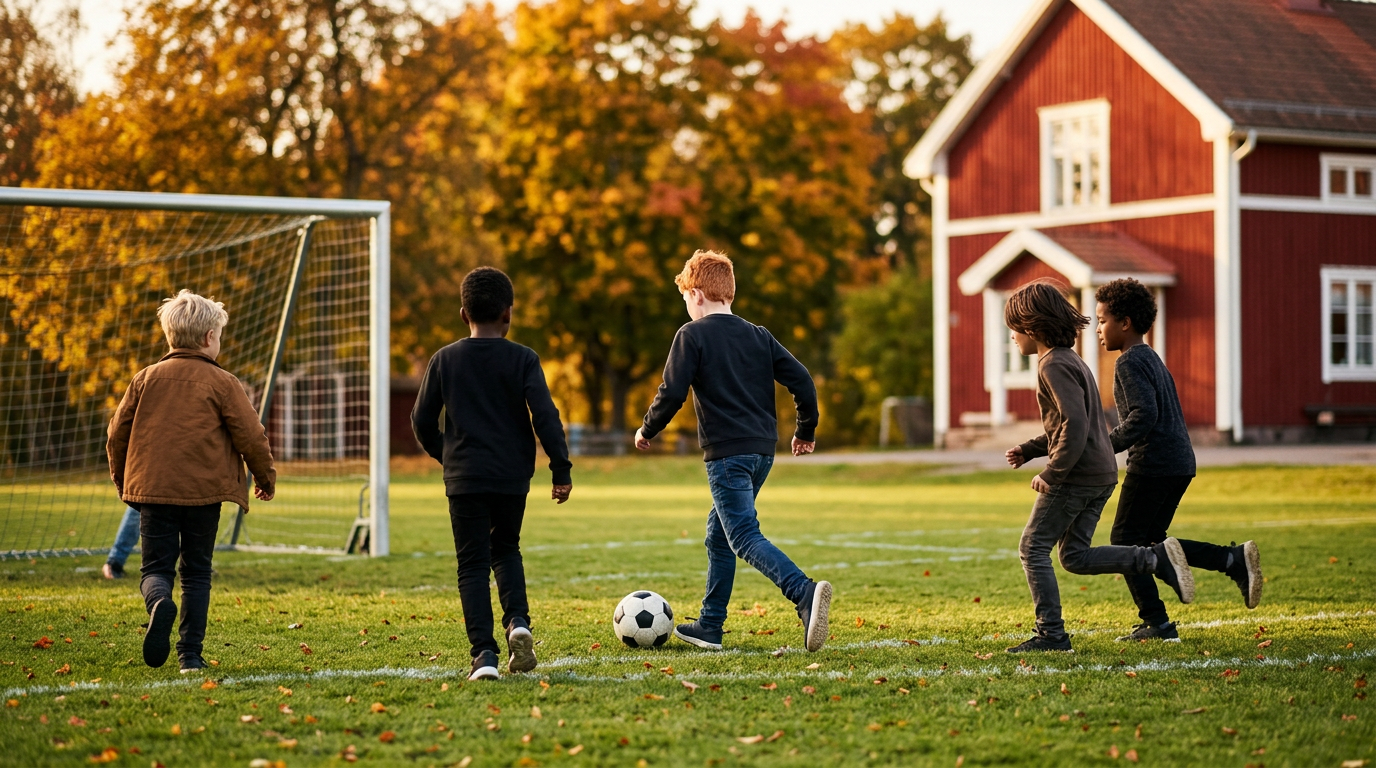
Your child starts school in Sweden.
Then someone asks:
“Do you need fritids?”
And if you are new to the Swedish school system, you may have absolutely no idea what that means.
Is it childcare? Is it an after-school club? Are there teachers? Do children learn anything? Or do they simply hang around until their parents finish work?
Here is the simple explanation.
What is fritids?
Fritids is short for fritidshem — school-age educare.
It is mainly for children aged 6–13 who need care before or after school because their parents work or study, although children can also qualify for other reasons connected to their own needs or family circumstances. [1]
Children can normally attend:
- before school
- after school
- during school holidays. [1]
Fritids is often connected to the child's school and may use the same buildings or facilities.
Is fritids free?
No.
Municipalities can charge a fee for fritids. The fee is based on household income and is covered by Sweden's maxtaxa — maximum-fee system, meaning there is a limit to how much families can be charged. [1]
So: school tuition is free, fritids is normally paid.
The exact amount depends on your municipality and family situation.
What do children actually do there?
This is the interesting part.
Fritids is not simply a waiting room until parents finish work. It is part of Sweden's education system and follows the national curriculum. [1][2]
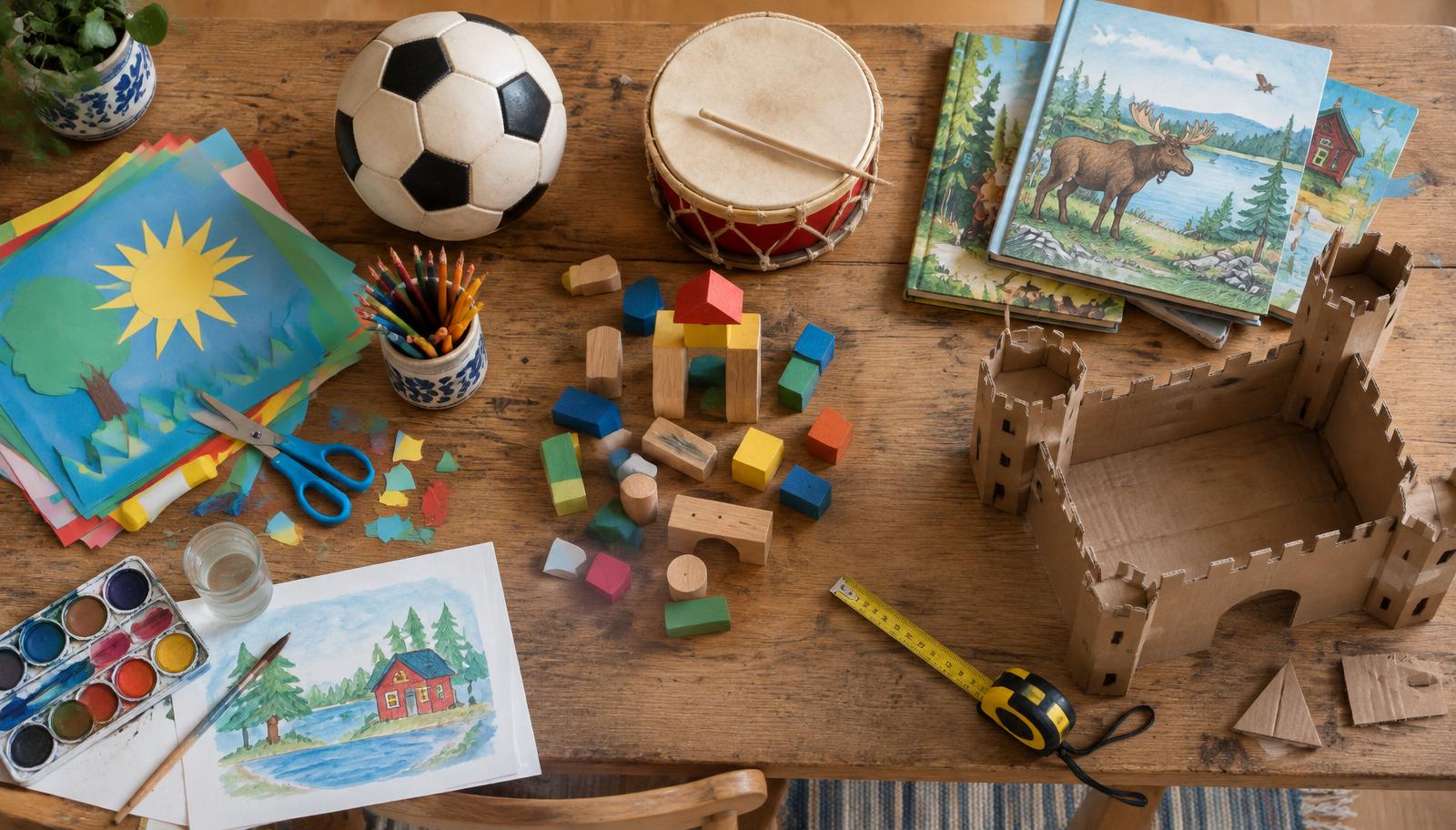
Activities can include:
- 🎨 arts and crafts
- ⚽ games and physical activity
- 🌳 outdoor play
- 🎭 music, dance and drama
- 🧱 building and creating
- 📚 reading and language activities
- 🤝 group activities and cooperation
- 🧠 practical problem-solving
Children also get time for free play and spending time with friends.
So fritids is not another full school day — but it is not unstructured babysitting either.
Skolverket says learning in fritids should be more situational, experience-based and group-oriented than traditional classroom teaching. [2]
In other words, your child may come home saying: *“We didn't learn anything. We built a huge cardboard castle.”*
Meanwhile, they may have spent the afternoon planning, measuring, cooperating and solving problems.
Are there teachers?
Yes, there can be qualified fritids teachers. There is a specific teaching qualification for working in fritidshem. [3]
But not every adult working there is necessarily a licensed teacher. Teams can also include staff such as:
- fritidsledare — recreation/activity leaders
- barnskötare — childcare workers [3]
According to Skolverket's 2025/26 national statistics, around 50% of employees working specifically as teachers in fritids had a teaching licence qualifying them for fritidshem. [4]
So this is actually a useful question to ask a school: How many qualified fritids teachers work here?
Is fritids open during school holidays?
Yes. One of the main purposes of fritids is to provide care outside normal school hours, including school holidays. [1]
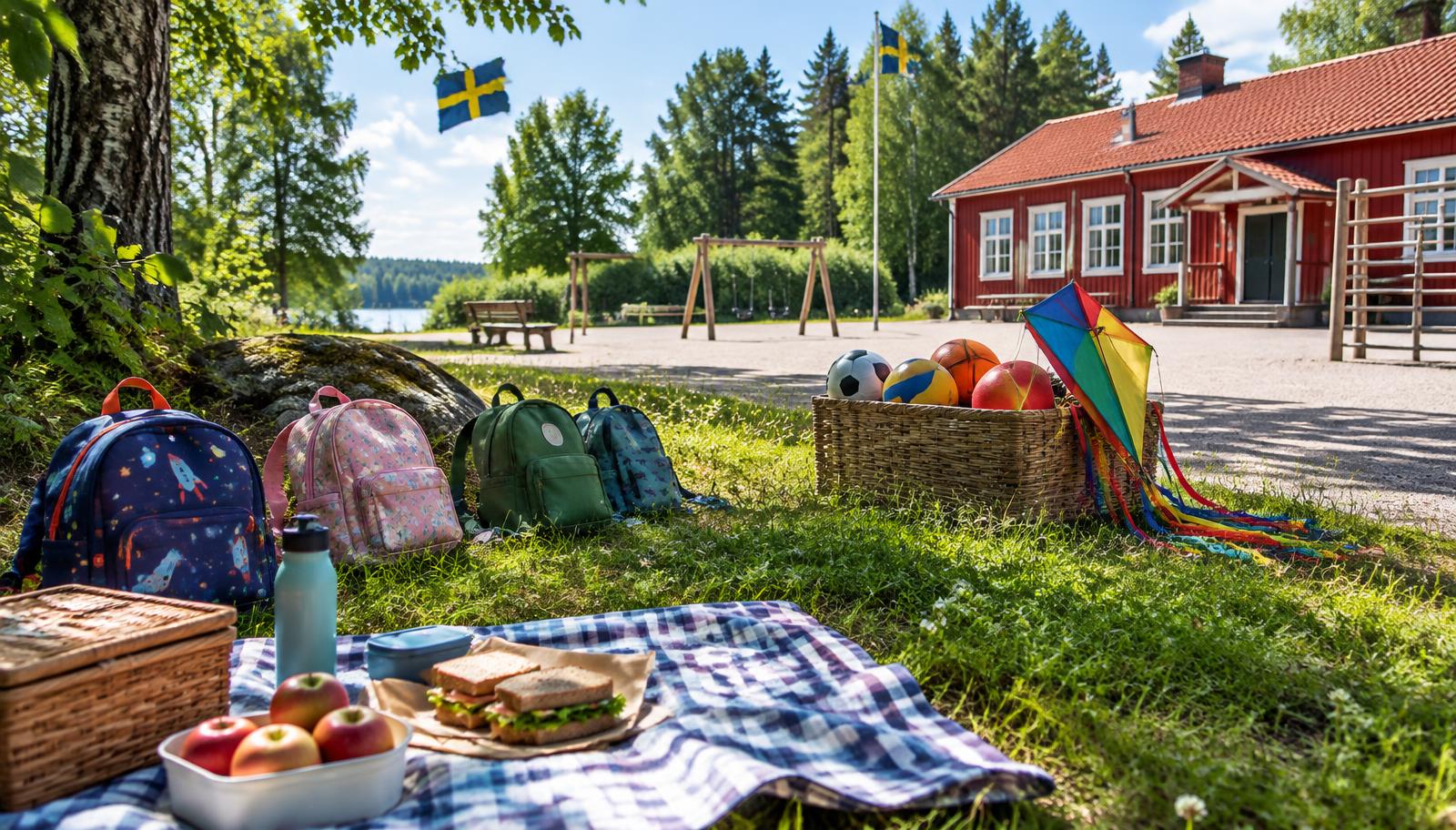
Holiday days may include longer activities such as:
- excursions
- sports
- outdoor activities
- crafts
- cooking
- projects and games
Exactly what is offered depends on the school. Opening hours also vary by municipality and fritids.
Is fritids compulsory?
No. Your child does not have to attend simply because they go to school. Families use fritids when they need it and meet the eligibility conditions. [1]
Some children attend every morning and afternoon. Others only go after school or during holidays.
What is fritidsklubb?
For older children, you may also hear fritidsklubb or öppen fritidsverksamhet — open leisure-time activities.
This is usually aimed at children around 10–13 years old who need less supervision than younger children. [1] It is more flexible than traditional fritidshem and generally offers less direct care and supervision.
Fritids in 30 seconds
| Question | Answer |
|---|---|
| What is it? | Before- and after-school educare |
| Age? | Mainly 6–13 |
| Free? | No, usually income-based |
| Teachers? | Yes, but not every staff member is a licensed teacher |
| Do children learn? | Yes, through play, activities, creativity and practical learning |
| Free play? | Yes |
| Open in holidays? | Yes |
| Compulsory? | No |
What should parents ask?
When comparing schools, don't only ask whether fritids exists. Ask:
- How many children attend?
- How many adults are usually there?
- How many qualified fritids teachers do you have?
- What does a normal afternoon look like?
- How much outdoor time do children get?
- What activities do you organise?
- What happens during school holidays?
- What are the opening hours?
- Is food or *mellanmål — afternoon snack* provided?
Those answers will tell you much more about what your child's afternoons will actually look like.
Sources
- Skolverket / Utbildningsguiden — Om fritidshemmet Official information about eligibility, age, fees, opening periods and the purpose of fritids.
- Skolverket — Curriculum for fritidshemmet Official curriculum covering communication, creativity, nature, society, mathematics, play, physical activity and relationships.
- Skolverket — Staff and teaching qualifications in fritidshem Official information on who can teach and work in fritids.
- Skolverket — Pupils and staff in fritidshem, 2025/26 Latest national statistics on staffing and teacher qualifications.
Information checked 1 October 2026. Exact fees, opening hours, meals, staffing and activities vary between municipalities and schools. Always check the information from your child's school or municipality.