The parent's role in education: how to support your child without taking over
A practical guide for families in Sweden on how to be actively involved in their child's learning, from preschool through school, while respecting the teacher's role and the child's independence.
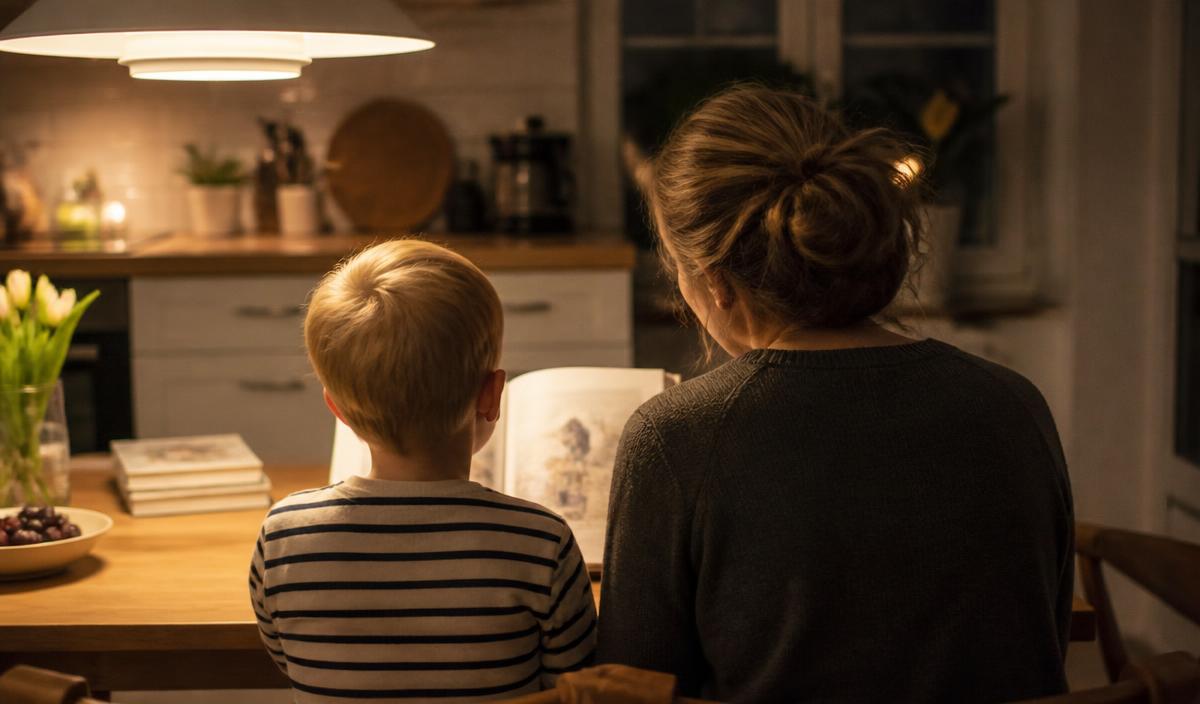
Parents often ask what they can do to help their child do well in school. The answer is less about flashcards, extra homework, or finding the perfect school, and more about the steady, ordinary things that happen at home. Research from Sweden and abroad consistently shows that family engagement matters more for a child's long-term success than almost any other factor. This article explains how to be present, supportive, and involved without becoming a second teacher or adding pressure. ## A partnership, not a performance
Long before a child starts preschool, they have already learned how to speak, listen, explore, and manage emotions from the adults around them. That role does not end when school begins. In Sweden, the national curriculum (Lgr22 and Lpfö 18) explicitly describes education as a partnership between home and school. You are not a customer or a bystander — you are a partner.
Partnership shows up in small daily choices. Talk with your child about what they did, learned, and wondered about today. Show that school matters by showing interest, not by demanding perfection. Share relevant information with teachers when something at home affects how your child shows up at school, whether that is a move, an illness, or a change in family life. Read newsletters, attend parent meetings, and respond when the school reaches out. Your attitude toward school shapes your child's attitude more than you think.
Routines that protect learning
Children learn best when they are rested, fed, calm, and present. A chaotic home routine makes school harder, no matter how good the teacher is. You do not need a strict schedule, but a few predictable anchors make a big difference.
Sleep is the foundation. Primary-age children need roughly nine to eleven hours, and teenagers need eight to ten. Screens before bed steal sleep quality, so a calm wind-down routine helps. Regular, nourishing meals and a water bottle in the backpack support concentration throughout the day. A designated spot for the backpack, shoes, and lunch box reduces morning stress. After school, children need downtime before homework. Play, movement, and fresh air are not luxuries — they are part of learning. When the basics are in place, the school day becomes much easier to manage.
Read, talk, and wonder together
One of the strongest predictors of school success is language-rich interaction at home. This is true for every age, not just young children.
Read aloud together, even after your child can read on their own. It builds vocabulary, empathy, and a shared calm moment. Ask open questions like "What was the most interesting thing today?" rather than the usual "How was school?" Wonder out loud about the world around you — "I wonder why the leaves turn red in autumn" — because curiosity is contagious. Visit the library, talk about what you are reading, and let your child see you read. In multilingual families, speaking your home language is valuable. Strong first-language skills help children learn Swedish and other subjects more easily.
Help with homework without taking it over
The goal of homework help is not a finished assignment. The goal is a child who gradually learns to manage tasks independently. When parents take over, children learn to need rescue. When parents guide, children learn to persist.
Sit nearby while they work, but do not hover over every sentence. Ask what the task is asking before offering an answer. Break big assignments into small steps together, and let them make mistakes so they can learn from feedback. Praise effort, strategy, and patience — not just correct answers. If homework becomes a daily battle, talk to the teacher. There may be too much work, too little challenge, or something else going on beneath the surface.
Stay in touch with the school
Good parent-teacher relationships are one of the best investments you can make. You do not need to be the most visible parent in the class, but you should be reachable, responsive, and respectful.
Go to the development talk (utvecklingssamtal) prepared with a few questions. Raise concerns early, before they become big problems. Assume positive intent from teachers, and expect the same in return. Read the class blog, Schoolsoft, or whatever channels the school uses. Volunteer when you can, but do not overcommit. If something worries you, document it and ask for a meeting. Calm, specific communication usually leads to the fastest solutions.
Model a growth mindset
Children watch how adults handle difficulty. If you treat mistakes as shameful, your child will hide theirs. If you treat mistakes as information, your child will learn from them.
Use phrases that focus on effort and learning. "That was hard — you kept trying." "You don't know it yet, and that's okay." "What would you try differently next time?" "I also find this difficult sometimes." A growth mindset does not mean pretending everything is easy. It means believing that ability grows with effort, feedback, and time.
Know when to step back
This may be the hardest part. As children get older, they need more space to solve problems, organise themselves, and take responsibility for their own learning. Your job shifts from manager to coach to consultant.
In preschool and early primary, you guide routines and read together daily. In the middle years, you gradually hand over responsibility for homework and materials. In the teenage years, you stay available, set boundaries, and trust them to ask for help. Stepping back is not disengagement. It is an active choice to let your child develop competence and confidence.
Protect joy and balance
Academic success matters, but it is not the only measure of a good childhood. A child who is anxious, exhausted, or convinced that their worth depends on grades will struggle more in the long run than one who learns at a steadier pace.
Make room for play, hobbies, friends, and family time. Do not compare your child to siblings, classmates, or social media highlights. Notice and name your child's strengths beyond school — kindness, creativity, humour, perseverance. If school pressure becomes overwhelming, seek support from the school counsellor or health services. The best educational outcomes come from children who feel safe, capable, and loved.
You matter more than you know
Teachers come and go. Schools change. Curricula are updated. But your steady presence, your interest, your routines, and your belief in your child remain. That is the real foundation of education.
You do not need to be an expert, a tutor, or a perfect parent. You need to be an engaged one. Ask questions, listen carefully, show up consistently, and trust both your child and the school to do their part. When home and school work together, every child has a better chance to thrive.