My Child Doesn't Want to Go to Preschool: When Should You Consider Changing?
Difficult drop-offs are normal — but when is reluctance a sign of something more? Signs worth noticing, what to ask the educators, how to raise concerns with the rektor and huvudman, and what to check before changing preschool in Sweden.
"My child doesn't want to go to preschool." It is a sentence many families in Sweden will say at some point. Does it mean something is wrong? Or is it just a hard week?
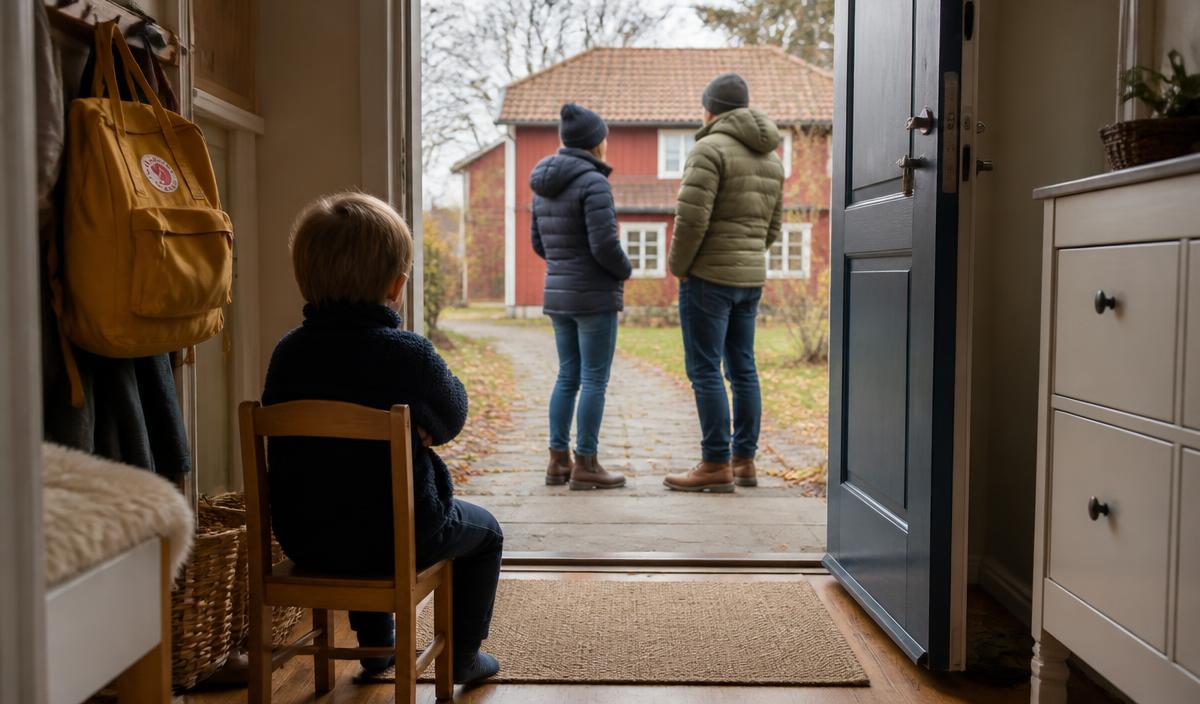
On its own, reluctance does not necessarily mean that something is wrong. Difficult drop-offs happen, and changes in routines, friends or staff can make preschool temporarily harder for a child.*1
But there is a difference between "I would rather stay home with you today" and a pattern where your child seems genuinely unhappy, frightened or simply not like themselves.
So when should you give it more attention?
Signs worth paying attention to
No single sign proves that preschool is the problem. What matters more is whether you see several changes, repeatedly, over time.
- Your child seems genuinely afraid of going to preschool.
- They repeatedly say they do not want to go — not just occasionally.
- They cry or seem distressed during sleep, especially if this is new.
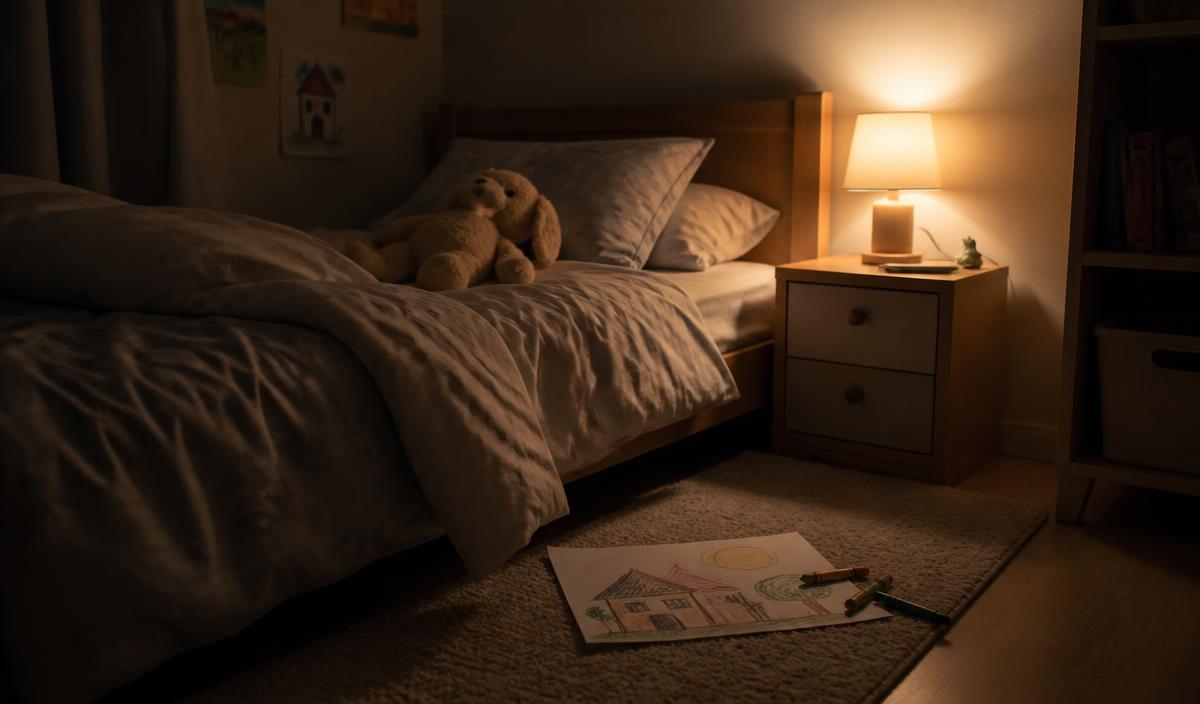
- Pick-up feels less like excitement and more like escape.
- You notice a clear change in behaviour: more sadness, anxiety, anger or withdrawal.
- Your child generally seems unhappy.
- You consistently struggle to get a meaningful picture of their day from the preschool.
Changes in sleep, behaviour or recurring physical complaints can sometimes occur when children are worried or stressed, although there can be many different causes.*2,*3
"But most children don't want to go sometimes…"
Exactly. A child wanting to stay home with a parent does not automatically mean they dislike preschool. A difficult Monday morning does not mean you need to change preschool. And one bad day certainly does not.
A better question is: what happens after I leave?
What to ask
How long does my child stay upset after drop-off? Who do they normally play with? Do they take part in activities? Did they eat today? Did they sleep or rest? How have they seemed emotionally? Have you noticed any recent changes?
Sometimes the answers will reassure you. But if you repeatedly ask and still cannot get a reasonable picture of how your child is doing, that is also information worth considering. Good communication and cooperation between preschool and guardians are important parts of creating a safe environment for children.*4
Pay attention to changes — not just words
Small children cannot always say "something about this environment makes me uncomfortable". They may show you instead.
1177 notes that worry and anxiety in children can affect everyday life, and that stress or worry can sometimes appear alongside physical symptoms such as stomach pain.*2,*3
This does not mean that every sleep problem, tantrum or stomach ache is caused by preschool. But if several changes start at the same time and seem connected to preschool, don't automatically dismiss them.
What if you are unhappy too?
Parents sometimes tell themselves: *maybe I am overreacting, maybe every preschool is like this, maybe I should just give it more time.*
Sometimes more time really is the answer. But persistent discomfort is worth understanding, not simply ignoring.
Talk to families you trust and ask about their preschool experiences: what information do they get at pick-up, how are concerns handled, what happens when their child is having a difficult period, how easy is it to speak to the educators or the rektor?
Sometimes you only realise that something is unusual when you hear how differently it works somewhere else. That does not automatically make one preschool "good" and another "bad" — it gives you a point of reference.
You can do the same thing here: read what other families have written about preschools near you, or compare two preschools side by side on group size, staff qualifications and reviews.
Before changing preschool: three steps
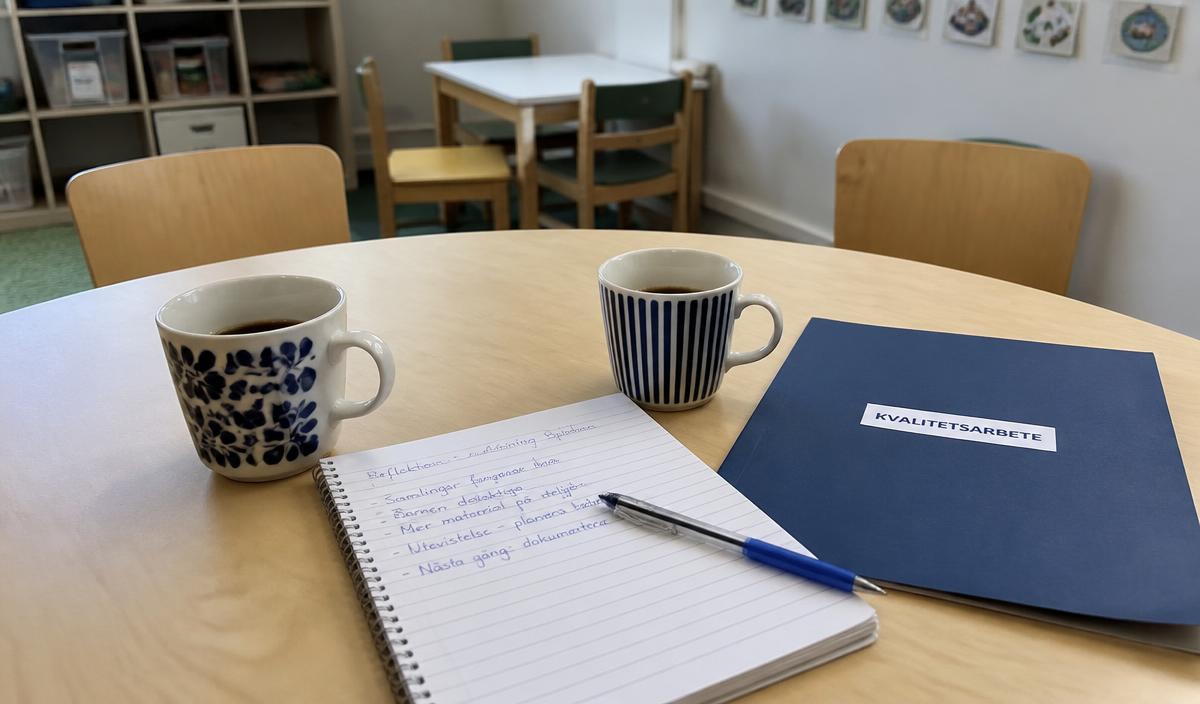
Unless there is an urgent safety issue, give the preschool an opportunity to understand and respond to your concerns.
Talk to the educators
Be specific about what you have noticed. Instead of "my child is unhappy", try:
"For the past two weeks, my child has been crying about preschool at night and has become extremely distressed every morning. Have you noticed anything different during the day?"
Speak to the rektor if the problem continues
Ask what they think is happening and what they can do differently.
Follow up
Did anything actually change? If you raise the same important concern repeatedly and nothing improves, that matters.
Skolverket states that preschools and schools should have functioning cooperation with guardians. If concerns cannot be resolved at preschool level, the huvudman — the organisation responsible for running the preschool — must also have procedures for receiving and handling complaints.*4,*5
If it still doesn't feel right, you are allowed to look elsewhere
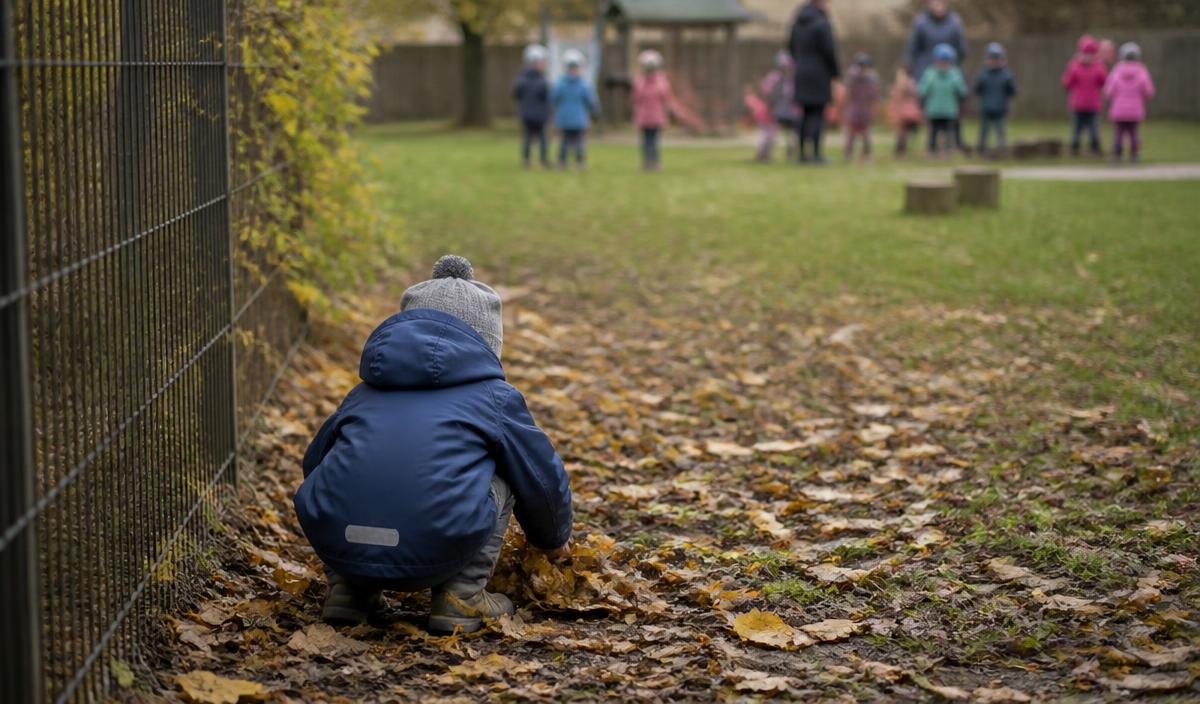
You do not need to prove that a preschool is objectively terrible before deciding to leave. Sometimes the conclusion is simply: this environment is not working for my child or our family.
A change can be disruptive, so check the practical consequences before giving up your existing place. Rules differ between municipalities. In Stockholm, for example, families can apply to change preschool, but a new placement is not automatically guaranteed when changing within the same district, and queue rules affect when another offer may become available.*6
And if something went wrong, speaking up matters
Changing preschool solves where your child goes next. It does not necessarily address the problem you experienced.
If you believe there are genuine shortcomings, start by raising them with the preschool or the rektor. If the problem is not resolved, complaints can be submitted to the huvudman, which is required to have procedures for handling them.*5,*7
Families can also help each other. You can share your experience without naming individual teachers, children or other parents. Instead of "the staff are terrible", something like this is far more useful:
"We repeatedly raised concerns about communication but did not feel that the situation improved during the period our child attended."
A factual review helps another family know what questions to ask. Find your preschool and write a review — it takes a few minutes and it stays useful for years. Positive experiences deserve the same treatment — if a preschool listened, adapted and helped your child through a difficult period, say that too. See our community guidelines before writing a review.
The bottom line
One difficult drop-off is not a reason to panic. But repeated fear, persistent unhappiness, noticeable changes in your child and an inability to get meaningful answers from the preschool are worth paying attention to.
Ask questions. Look for patterns. Give the preschool an opportunity to respond. And if, after doing that, you still believe the environment is not right for your child, it is okay to consider another preschool.
Your child does not need the "perfect" preschool. They need a place where they can feel safe, supported and comfortable being themselves.
Sources
- Knodd: Hjälp! Mitt barn vill inte gå till förskolan An article reviewed by a specialist paediatric nurse about children who do not want to attend preschool, possible reasons and when changing preschool may be worth considering.
- 1177: Ångest och fobier hos barn och tonåringar Information about anxiety in children, when worries begin to affect daily life and when families should seek healthcare advice.
- 1177: Ont i magen hos barn Explains that stress and worry can sometimes be associated with stomach pain in children.
- Skolverket: Skolans kommunikation och samarbete med vårdnadshavare Official guidance about trust, cooperation and communication between preschool/school and guardians.
- Skolverket: Kontaktvägar vid brister eller missförhållanden Official information about raising concerns with staff and rektor, and submitting complaints to the huvudman.
- Stockholms stad: Säg upp förskoleplats eller byt förskola Current information about changing preschool, queues and placements in Stockholm.
- Skolinspektionen: Det här innan du lämnar information till oss Official guidance recommending that concerns are first raised with the preschool or school and then with the huvudman if the situation is not resolved.
Information checked 15 September 2026. This article is general information, not medical or legal advice. If you are worried about your child's health or safety, contact 1177, BVC or the appropriate authority.