10 Easy Lunchbox Ideas for Kids: Perfect for Preschool Outings & Day Trips
Need ideas for your child’s lunchbox? Here are 10 simple, practical lunch ideas for preschool outings, school trips, park days and long days outside.
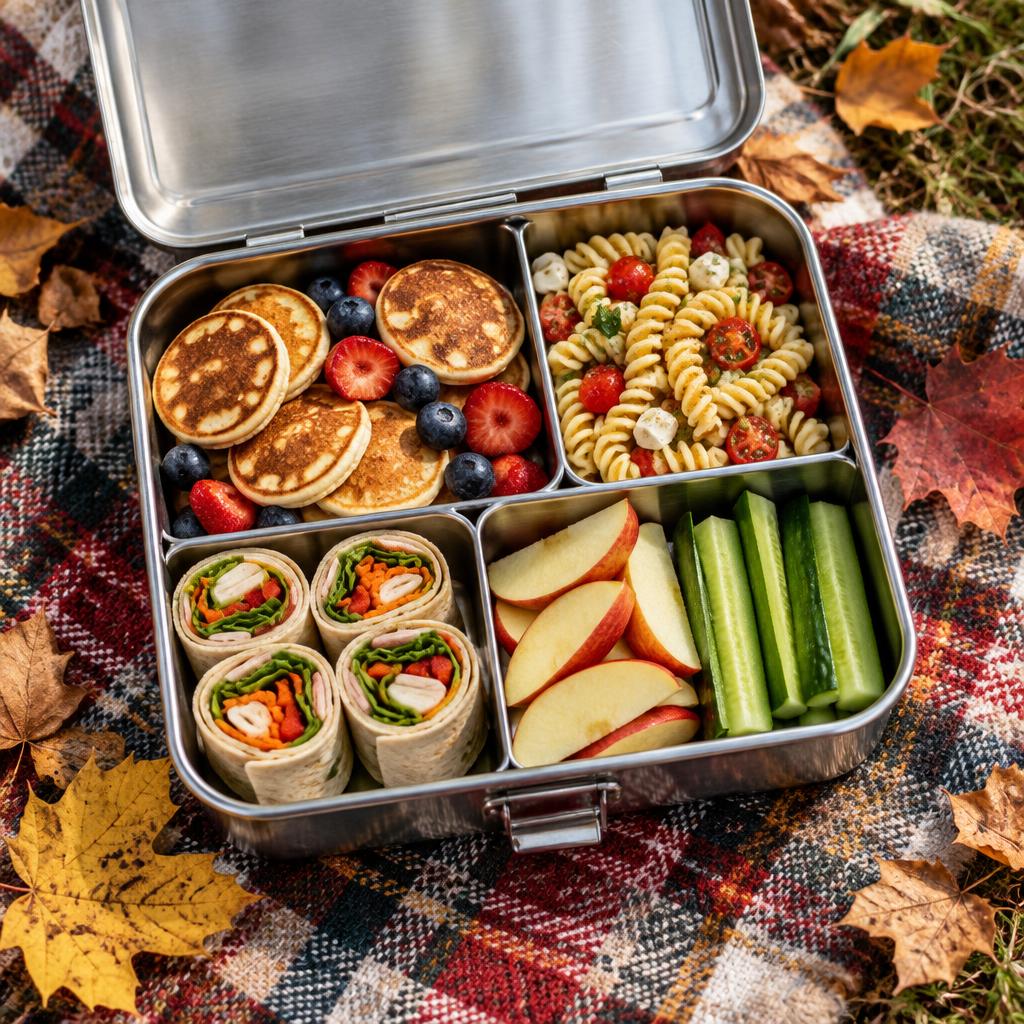
In Sweden, children are usually served lunch at preschool and compulsory school. But there are still plenty of occasions when parents may need to pack food — for a preschool outing, a school trip, a long day at the park or another outdoor activity.
And that is when the same question comes up:
What can I pack that is simple, child-friendly and still tastes good a few hours later?
The best lunchbox food is usually not complicated. It should be easy to hold, easy to eat, not too messy and something your child is actually likely to eat.
Here are 10 easy ideas.
Mini pancakes
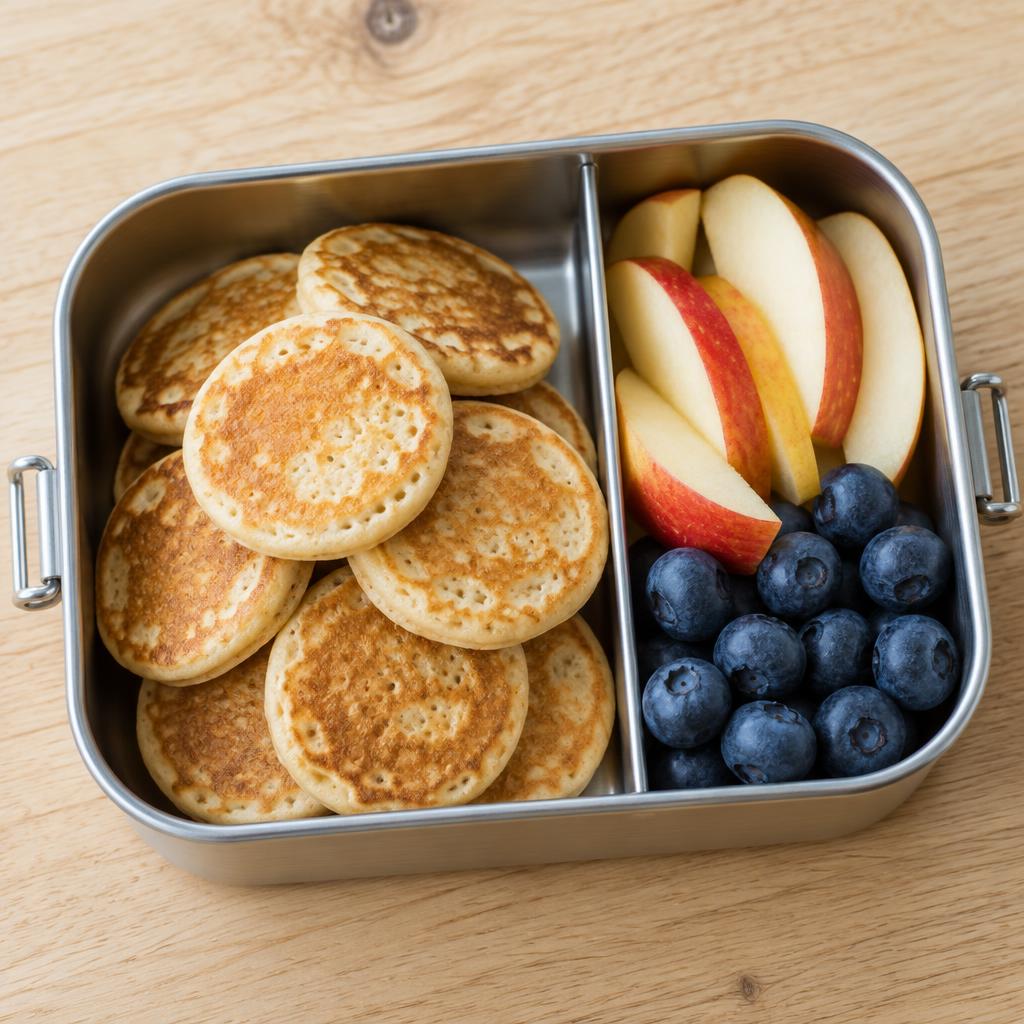
Mini pancakes are easy to make, easy to hold and perfectly fine to eat cold. You can make them plain or add mashed banana to the batter for a little sweetness.
Pack with: apple slices, berries or cucumber sticks.
Why it works: Small children can eat them easily without cutlery, and they do not create much mess.
Toast triangles
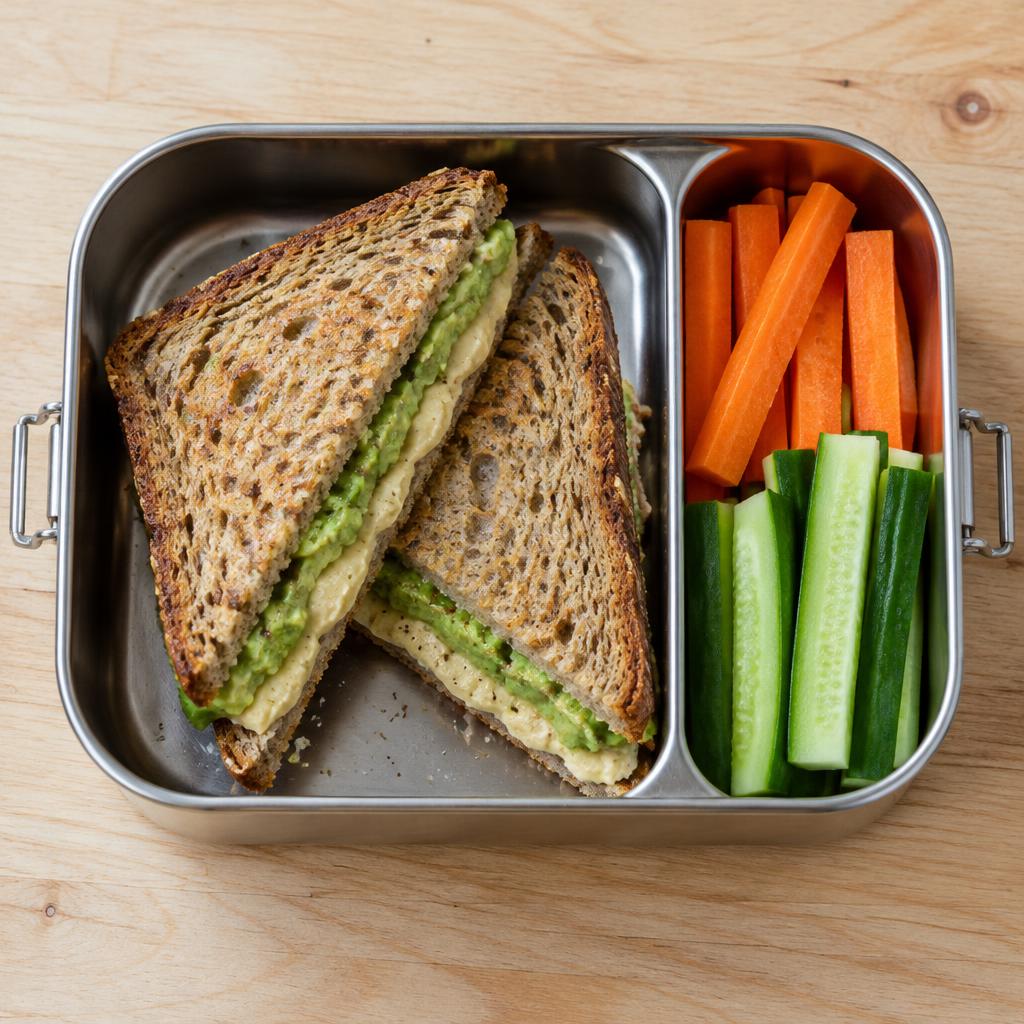
A simple toast can work surprisingly well in a lunchbox. Try fillings such as:
- hummus
- avocado spread
- mashed beans
- a vegetable spread
Cut the toast into small triangles or strips.
Pack with: cucumber, carrot sticks or fruit.
Why it works: Familiar, easy to hold and easy to customise.
Simple cold pasta
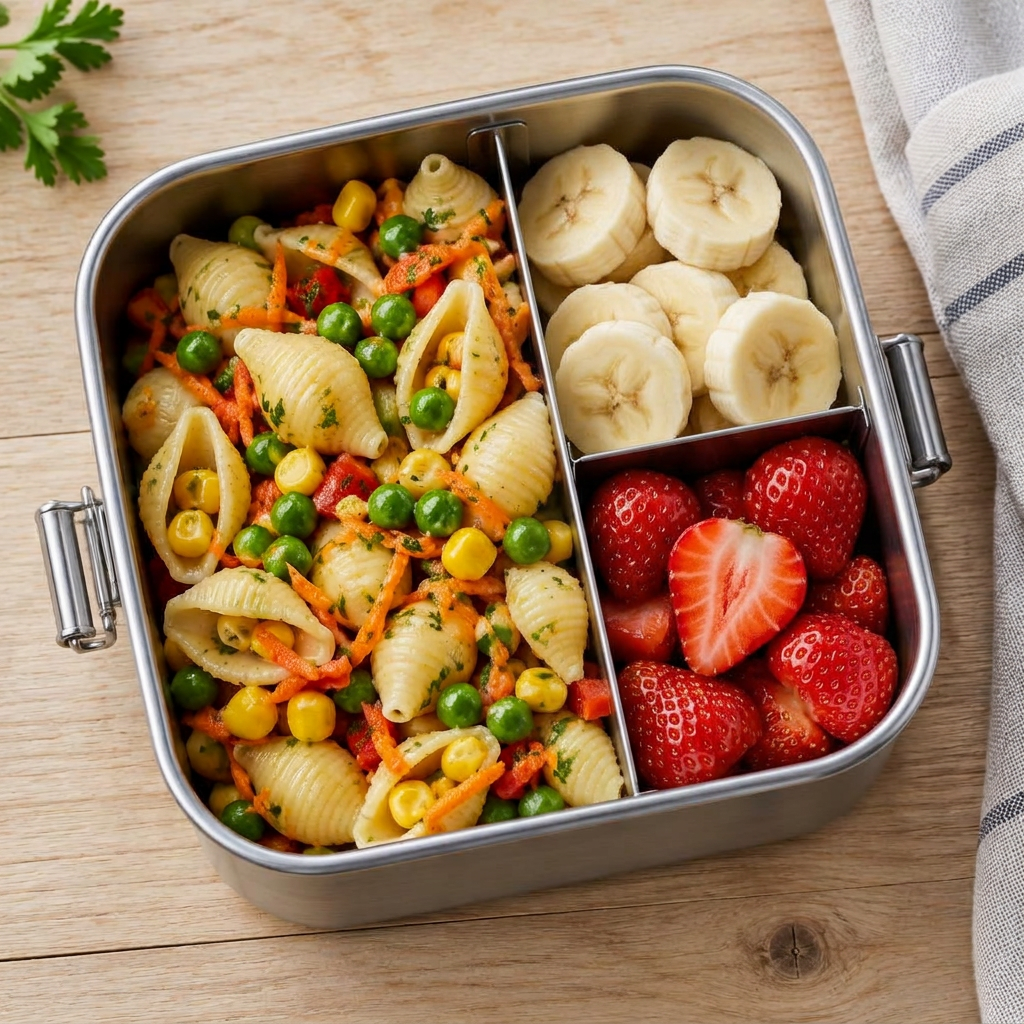
Cold pasta is one of the easiest lunchbox bases. Keep it simple with a little olive oil and vegetables such as:
- sweetcorn
- peas
- cucumber
- grated carrot
- small pieces of bell pepper
Choose smaller pasta shapes that are easy for children to eat.
Why it works: It is filling without being complicated, and you can easily change the vegetables depending on what you have at home.
Veggie wraps
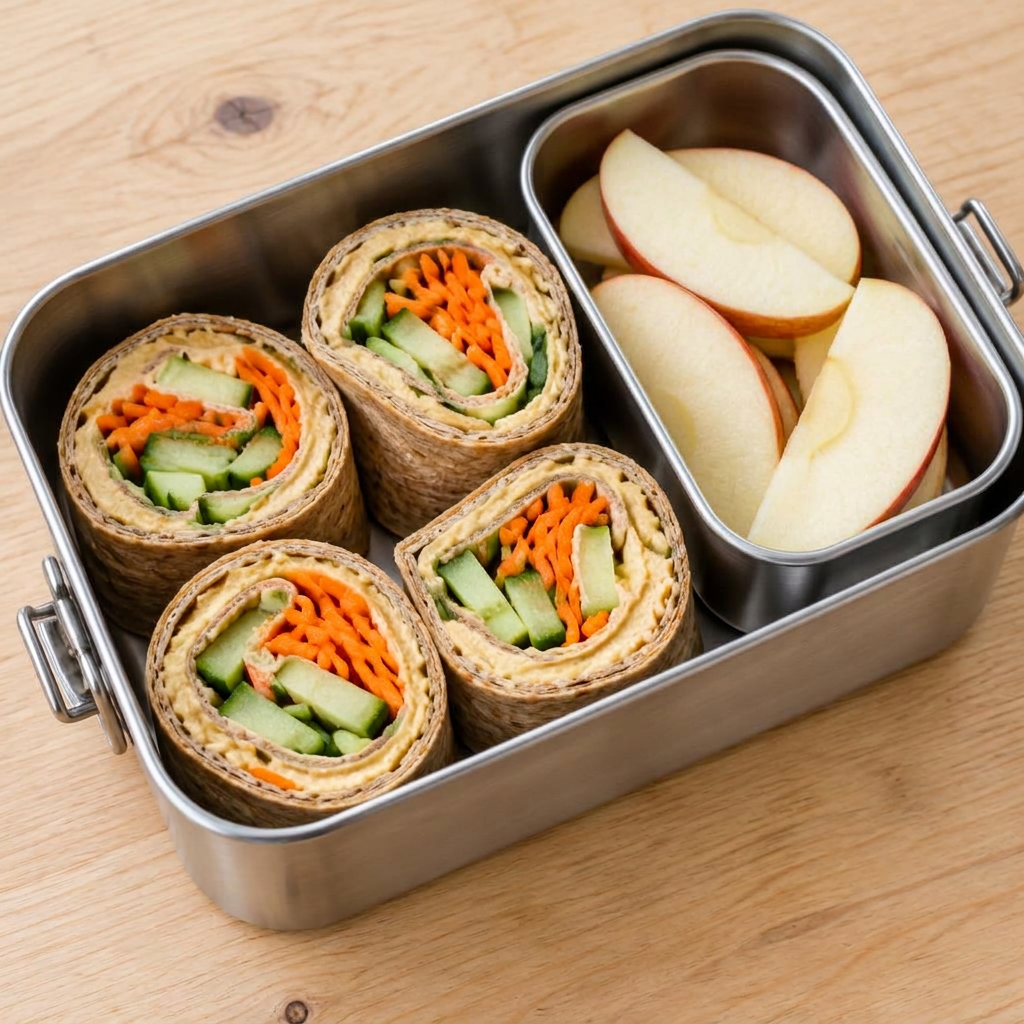
Spread a tortilla with hummus or another vegetable spread, add grated carrot and cucumber, roll it tightly and slice it into smaller pieces. You can also keep it whole for older children.
Pack with: fruit or a few vegetable sticks.
Why it works: Everything stays together and it is easy to eat without a fork.
Mini pizzas
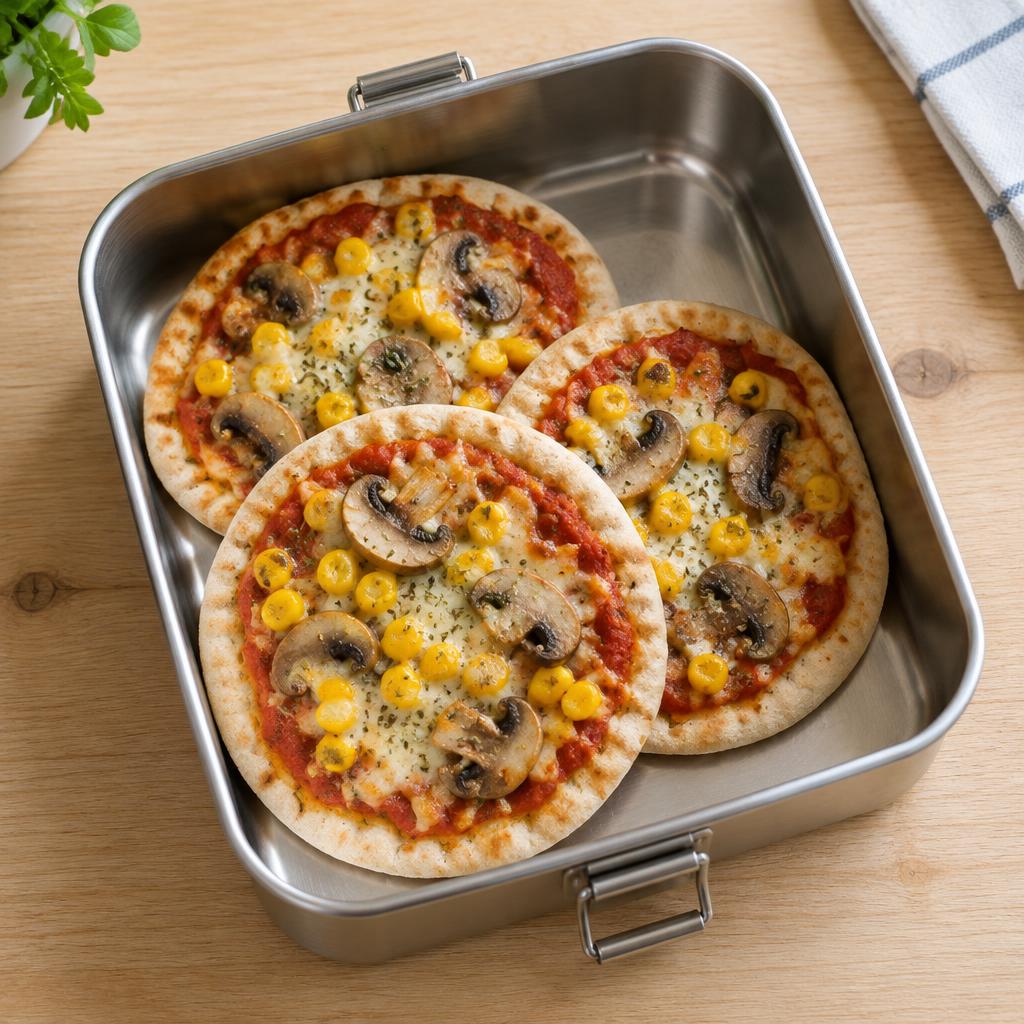
Mini pizzas are particularly good if your child likes familiar food. Use:
- small pita breads
- tortilla circles
- small pieces of flatbread
- homemade mini pizza bases
Add tomato sauce and vegetables such as corn, mushrooms or finely chopped peppers. They can be baked the evening before and packed cold.
Why it works: They feel like a treat but are still very practical to pack.
Mini bagels
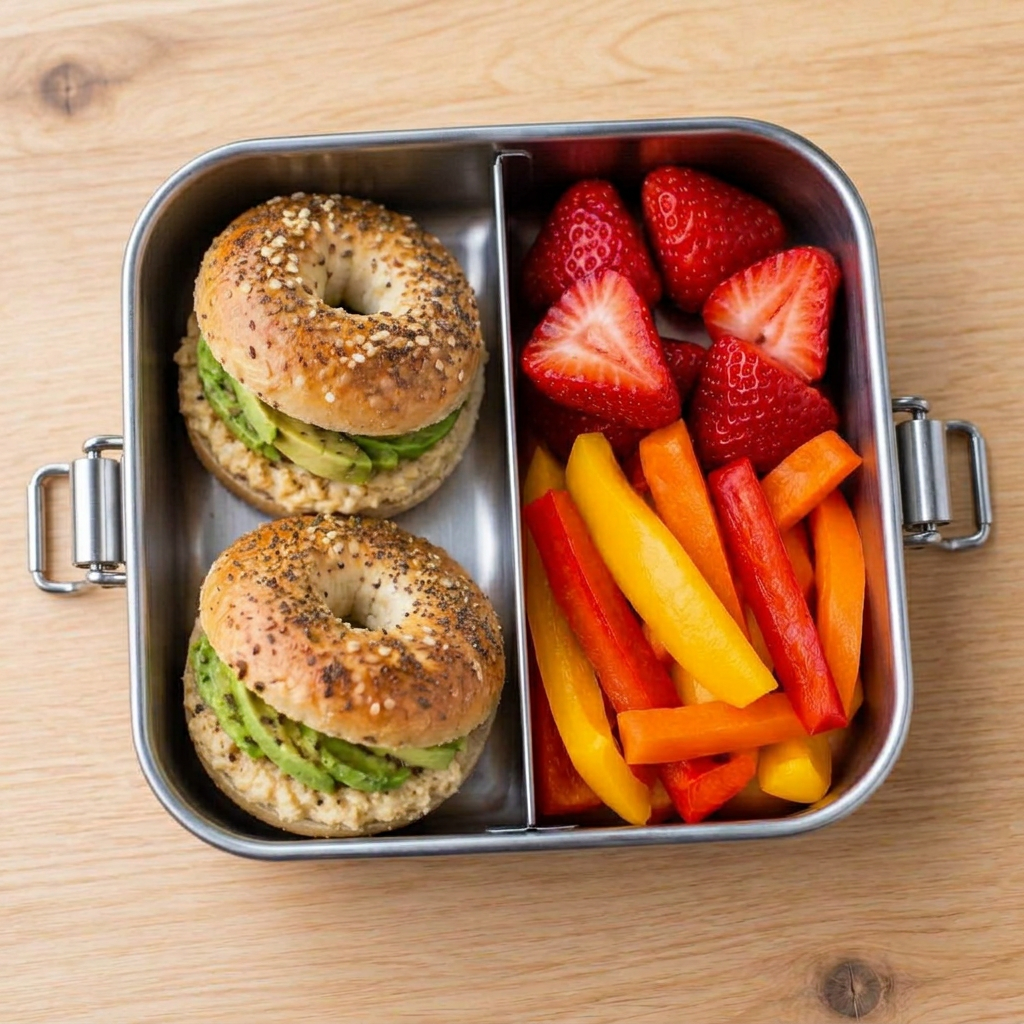
Small bagels are another useful alternative to sandwiches. Fill them with something simple such as:
- hummus
- avocado
- bean spread
- vegetable spread
Cut them in half if they are too large.
Why it works: They hold their shape well and are usually less messy than heavily filled sandwiches.
Vegetable-filled ravioli
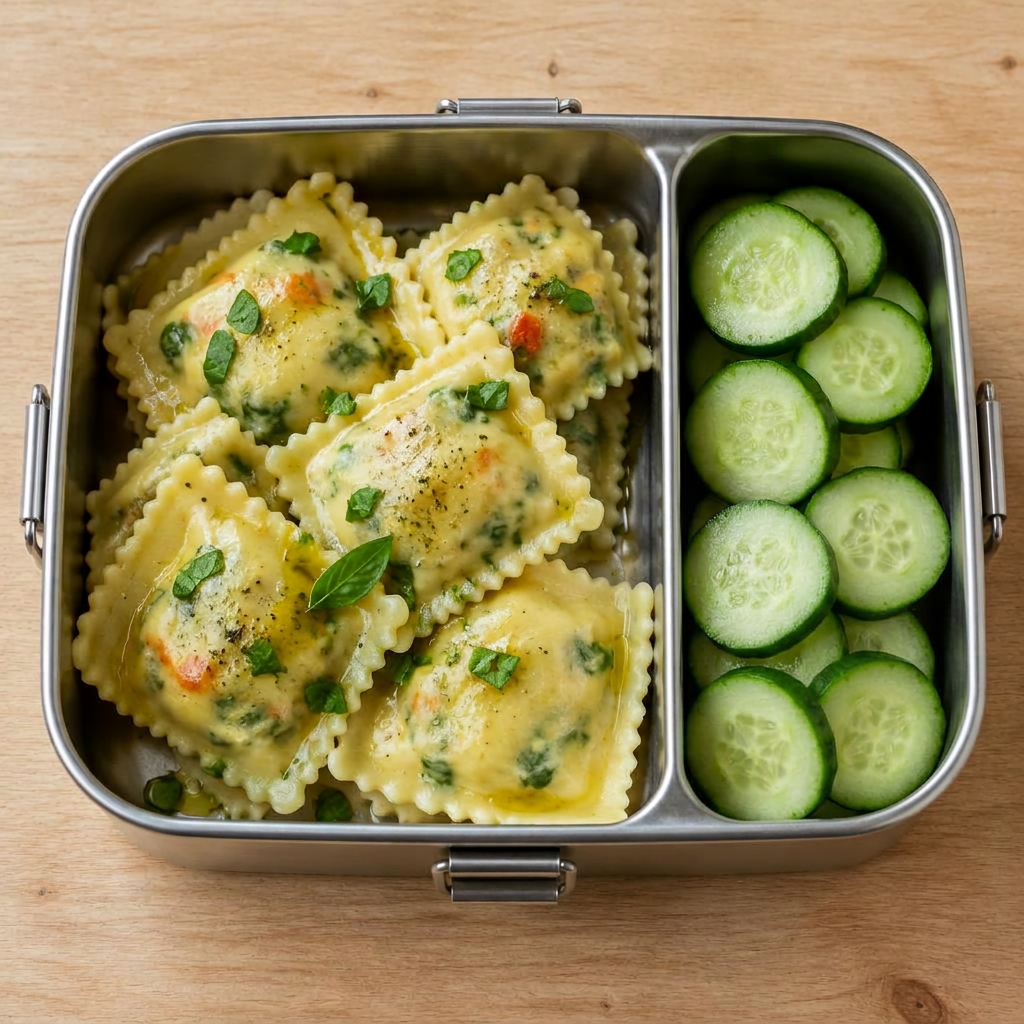
Ravioli can work surprisingly well as finger food when served cold. Choose a vegetable-filled variety and cook it the evening before. A very small drizzle of olive oil can help stop the pieces sticking together.
Why it works: No sauce is necessary, and children can often eat the pieces one by one with their fingers or a small fork.
> Check the filling: many ravioli varieties contain cheese or meat, so read the ingredients if you are specifically looking for a vegetable-based option.
Veggie balls
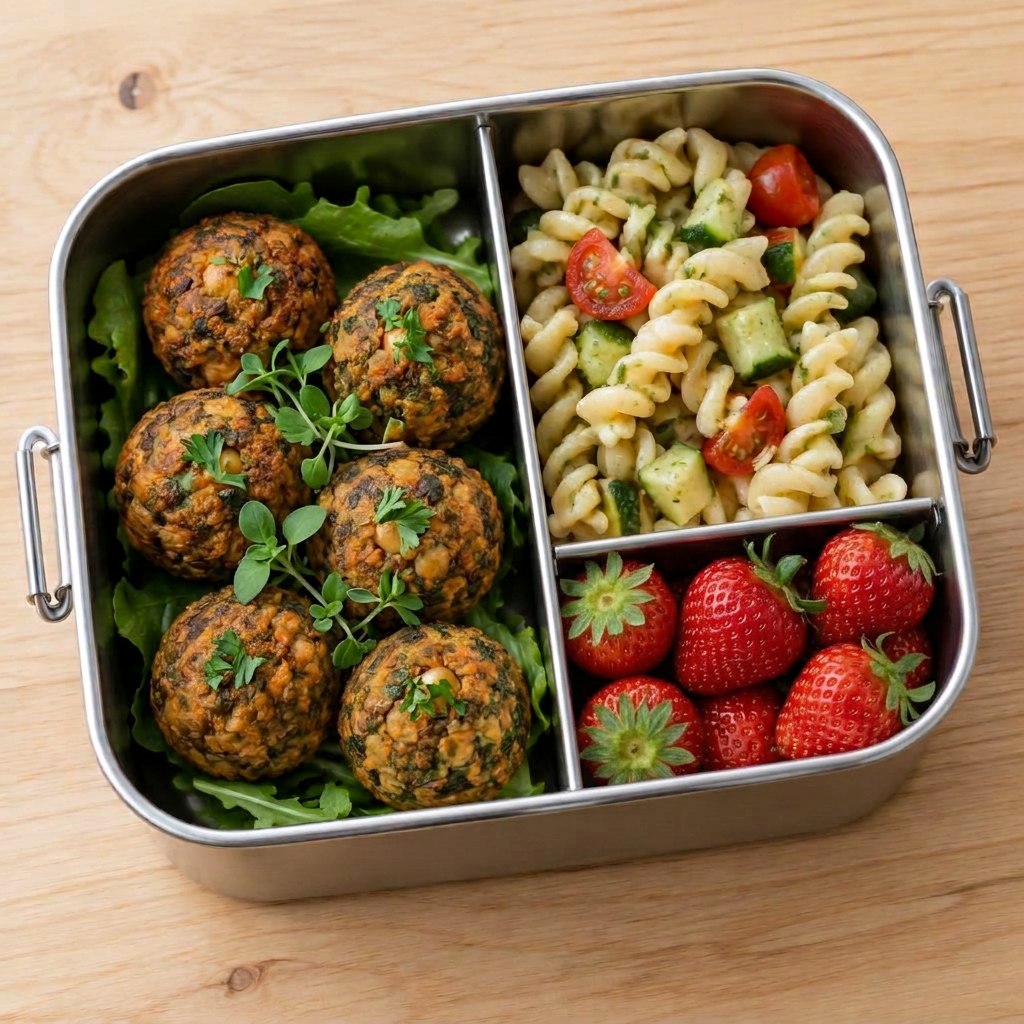
Vegetable, lentil or chickpea balls are useful because they are small, easy to hold and filling. They can be homemade or shop-bought.
Pack with: pasta, bread, cucumber or fruit.
Why it works: They are easy to portion and can make a lunchbox feel more substantial.
Savoury veggie muffins
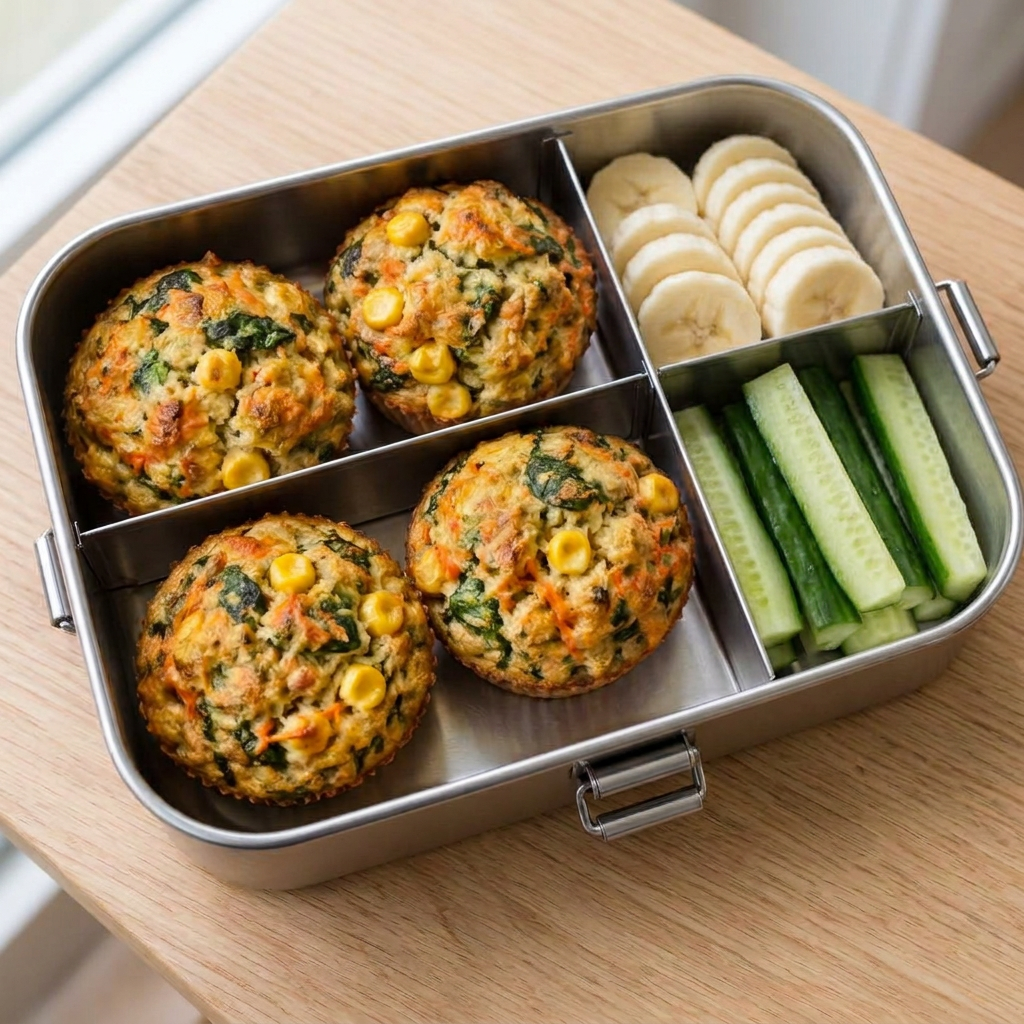
Savoury muffins are one of those foods that work particularly well for days out. Try ingredients such as:
- grated carrot
- courgette
- corn
- spinach
- peas
You can bake a batch and freeze them individually.
Why it works: They are portable, easy for small hands and a useful way to add vegetables without needing a separate salad box.
Potato or corn fritters
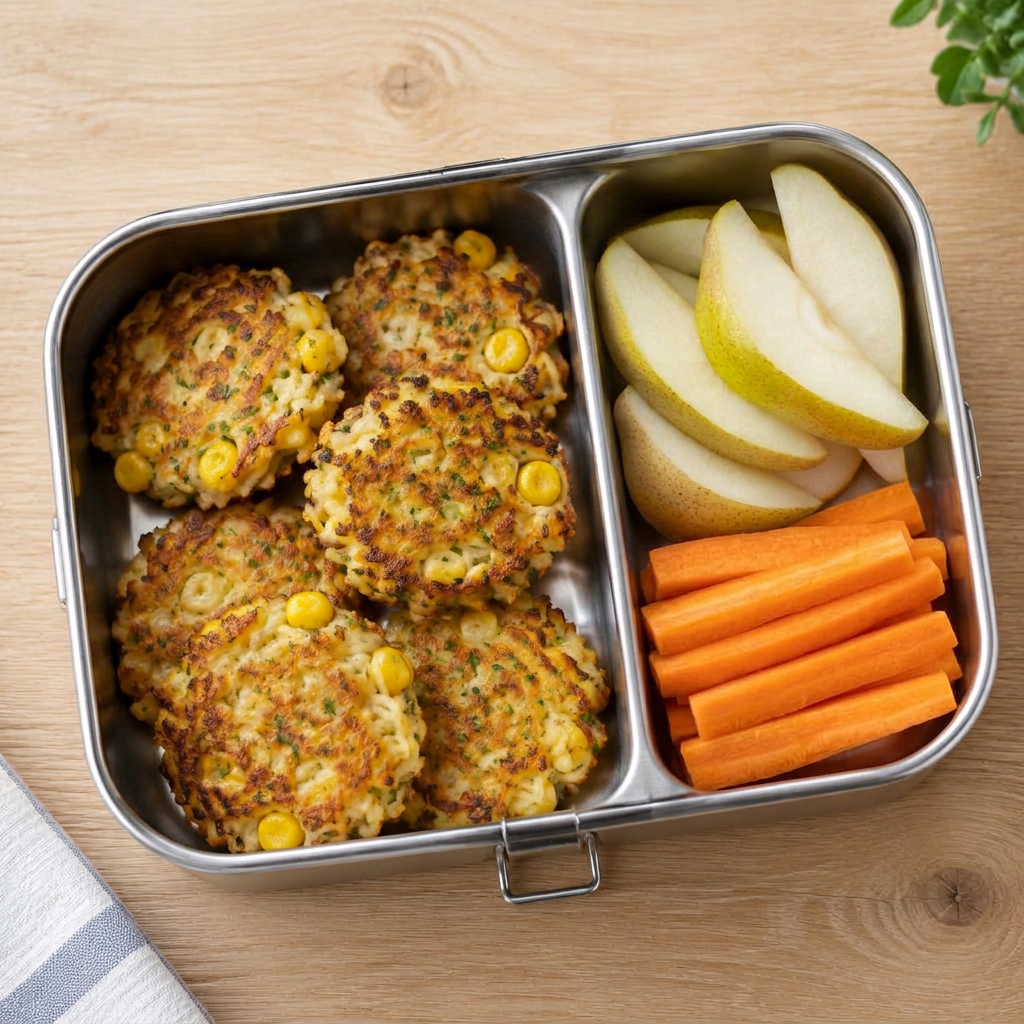
Small potato cakes, corn fritters or courgette fritters are easy to pack and usually taste good cold. Make them small enough for your child to hold comfortably.
Pack with: fruit, cucumber or carrot sticks.
Why it works: They are filling, easy to portion and a good alternative when you are tired of sandwiches.
What else can you add?
You do not need to turn every lunchbox into a Pinterest project. A simple main item plus one or two sides is usually enough. Easy extras include:
- apple slices, pear, berries or banana
- cucumber sticks, carrot sticks or bell pepper
- crackers or bread
- raisins or dried fruit, depending on your child’s age and the preschool’s rules
For younger children, always prepare foods in an age-appropriate way and consider choking risk.
A few things to check before packing
Check the preschool or school’s rules
Some preschools and schools have their own policies around foods brought from home, particularly regarding allergies.
Livsmedelsverket recommends that nuts, almonds, peanuts and sesame are avoided in food served by schools because they can cause serious allergic reactions. Individual preschools and schools can also decide on stricter local rules for food brought onto the premises.
So check before packing nut butter, nuts or sesame-based foods such as some types of hummus.
Think about temperature
Foods that normally require refrigeration should still be kept cold. Livsmedelsverket recommends around 4°C for refrigerated foods, noting that lower temperatures slow bacterial growth and help food stay safe and fresh for longer.
For longer outings, an insulated lunch bag and cold pack can be useful.
Keep it simple
A lunchbox does not need ten compartments and tiny food sculptures. If your child reliably eats pancakes + cucumber + apple, that is already a perfectly practical lunchbox.
Quick lunchbox combination ideas
| Main | Add |
|---|---|
| Mini pancakes | Apple + cucumber |
| Toast triangles | Berries + carrot |
| Cold pasta | Fruit |
| Veggie wrap | Cucumber + crackers |
| Mini pizza | Apple slices |
| Mini bagel | Bell pepper + fruit |
| Vegetable ravioli | Cucumber + bread |
| Veggie balls | Pasta + fruit |
| Veggie muffin | Banana + cucumber |
| Potato fritters | Pear + carrot sticks |
Final thought
For outings and long outdoor days, the best lunchbox is not necessarily the most creative one. It is the one that:
- your child can open
- your child can eat easily
- survives the journey
- and comes home mostly empty.
That is enough.
Sources
- Livsmedelsverket — Förvaring av kylvaror: storing refrigerated food safely, around 4°C.
- Livsmedelsverket — Förvara maten rätt: general guidance on food storage and temperature.
- Livsmedelsverket — Nötter och fröer i förskola och skola: nuts, peanuts, almonds and sesame in preschool and school.